

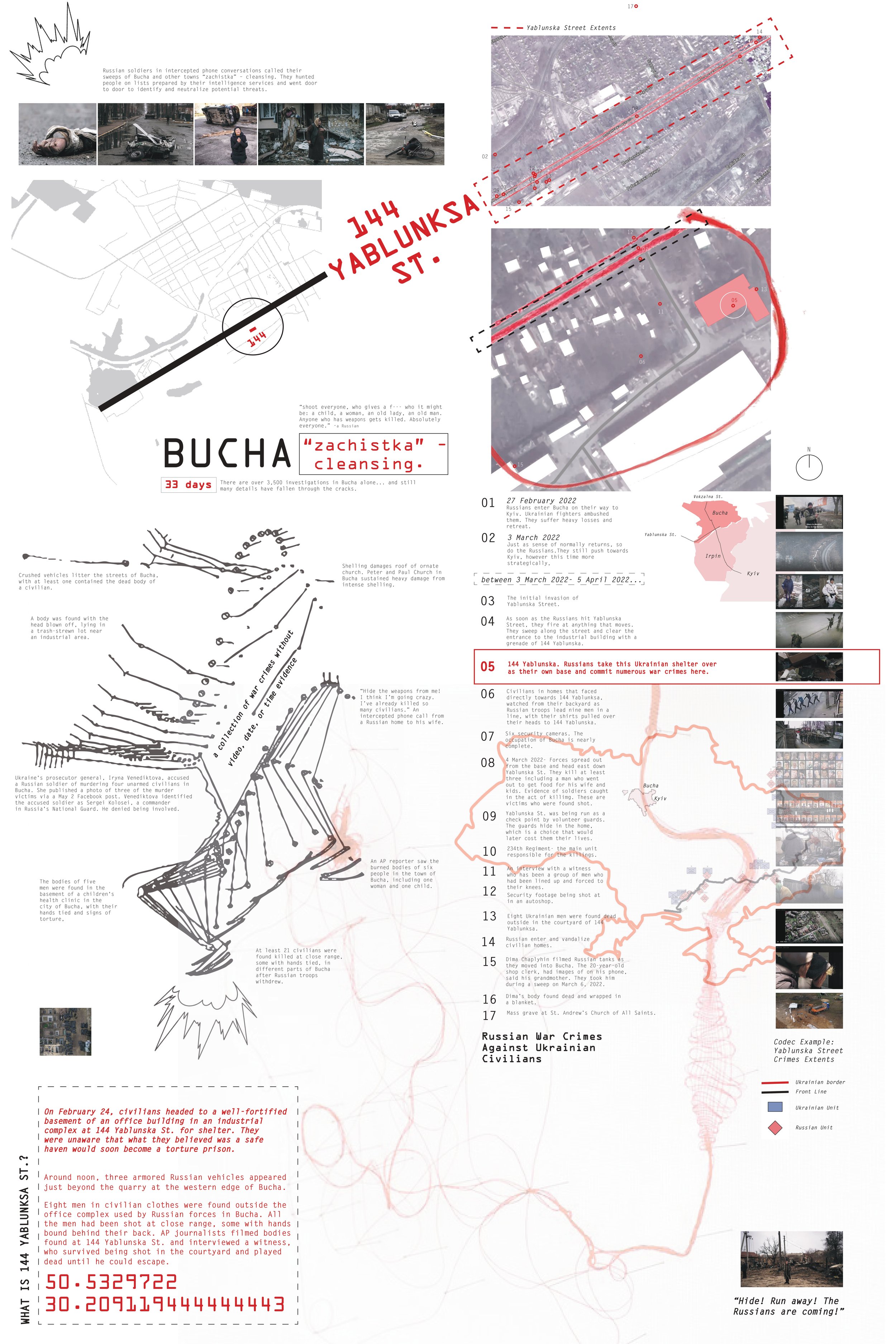
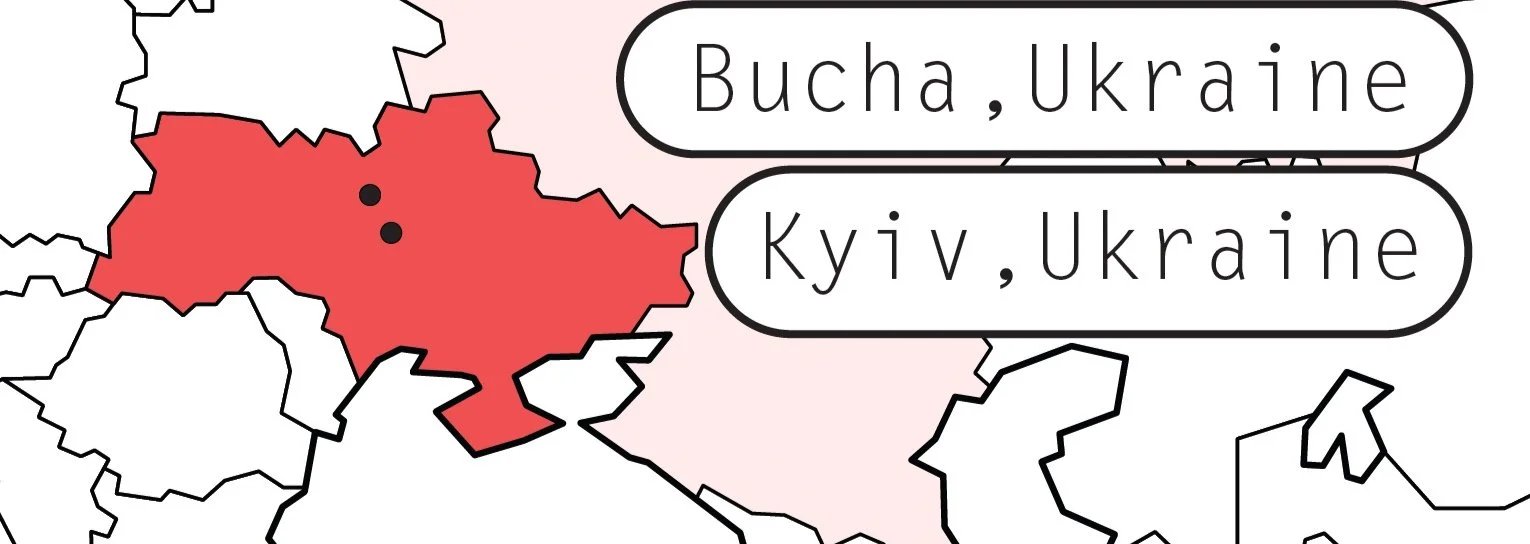
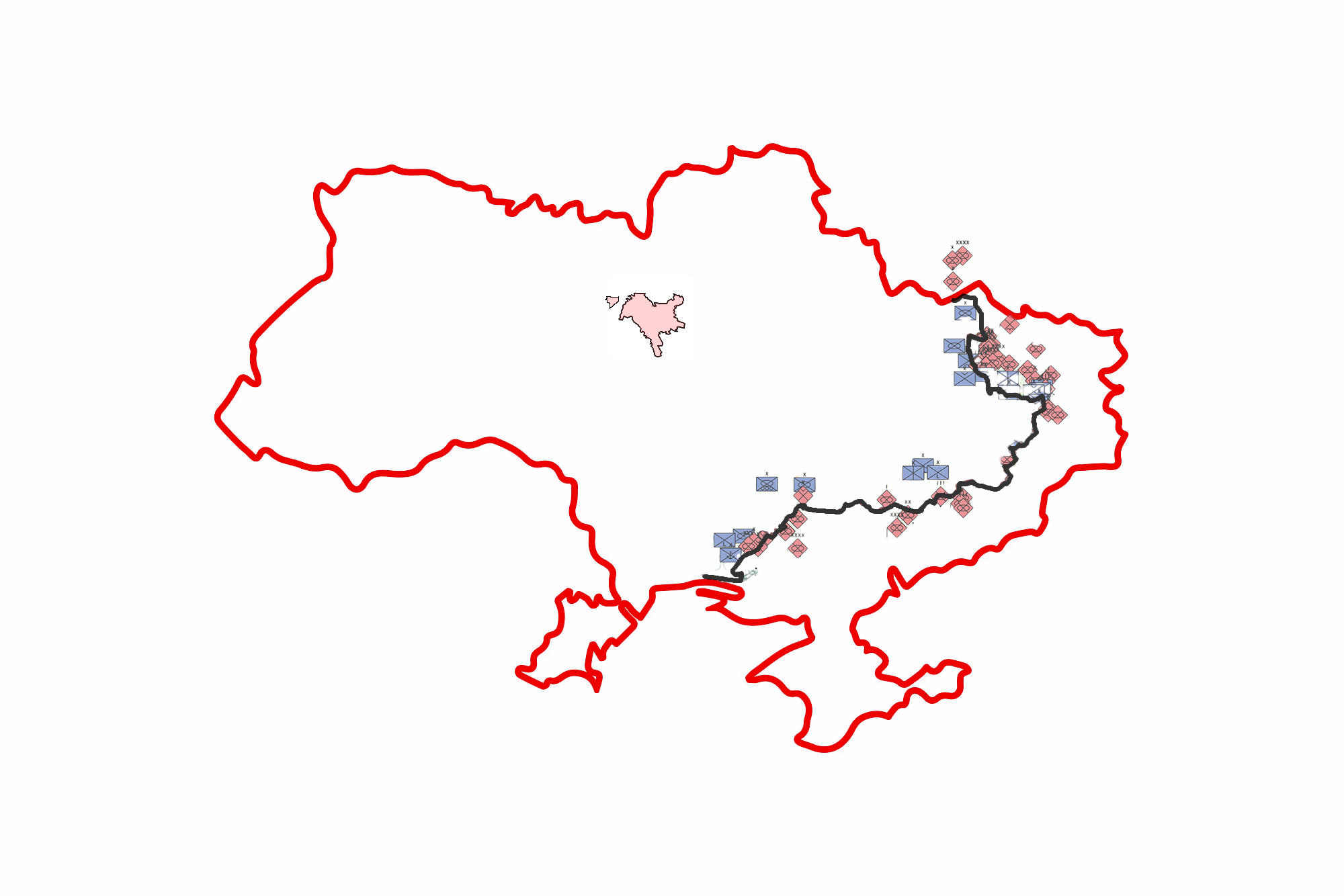
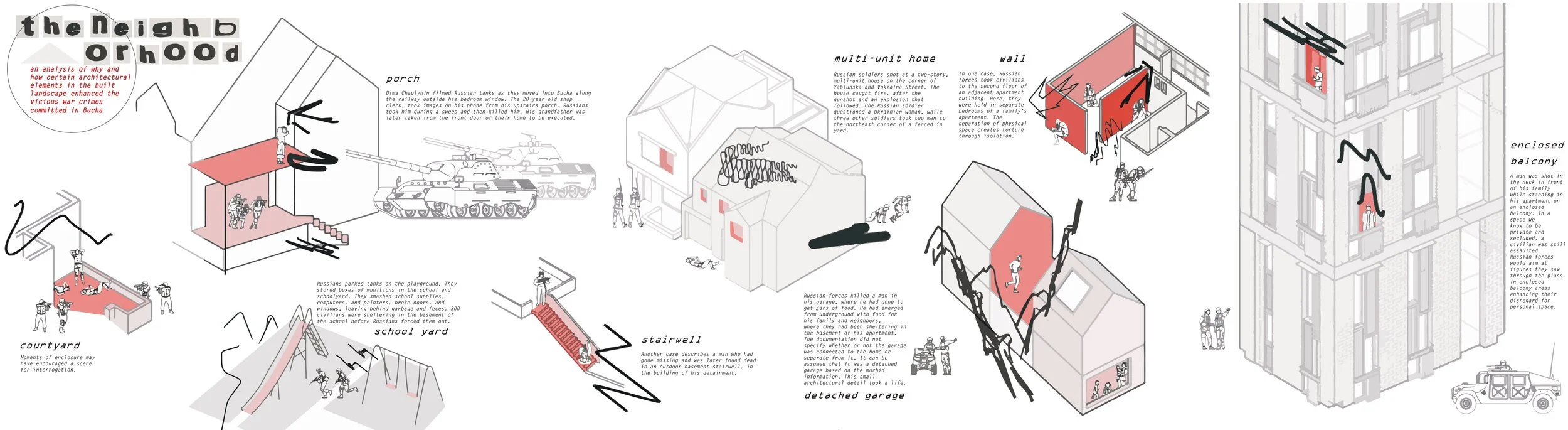
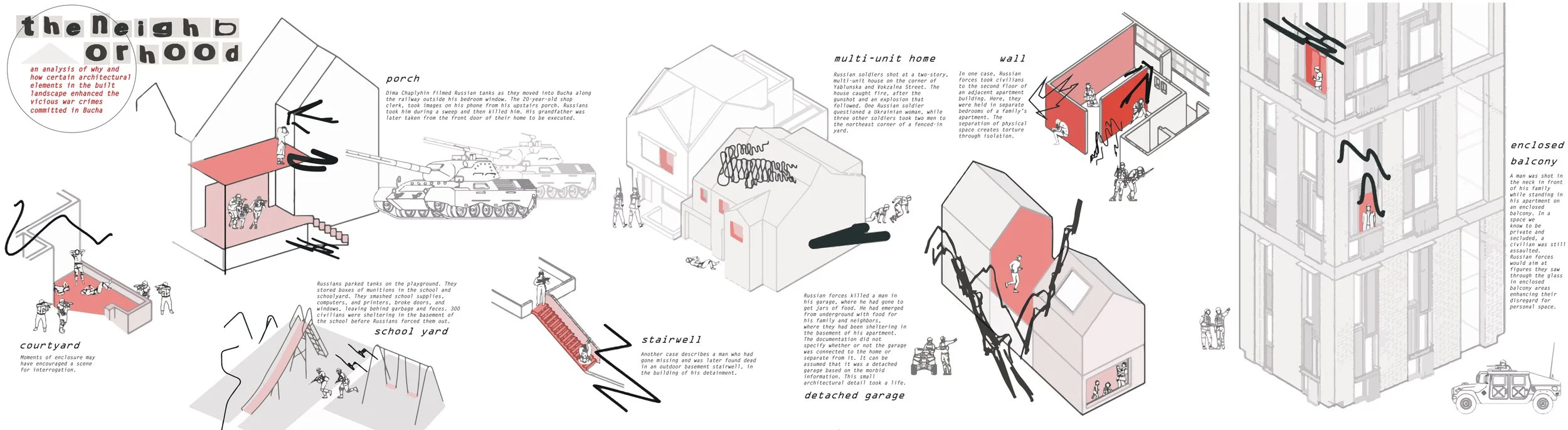
Drawing on hours of CCTV footage, documentation of intercepted phone calls, and a 3D model of Bucha, Ukraine created by The Associated Press and SITU Research, a visual investigation was produced. The work displays how Russian soldiers ran cleansing operations in Bucha.
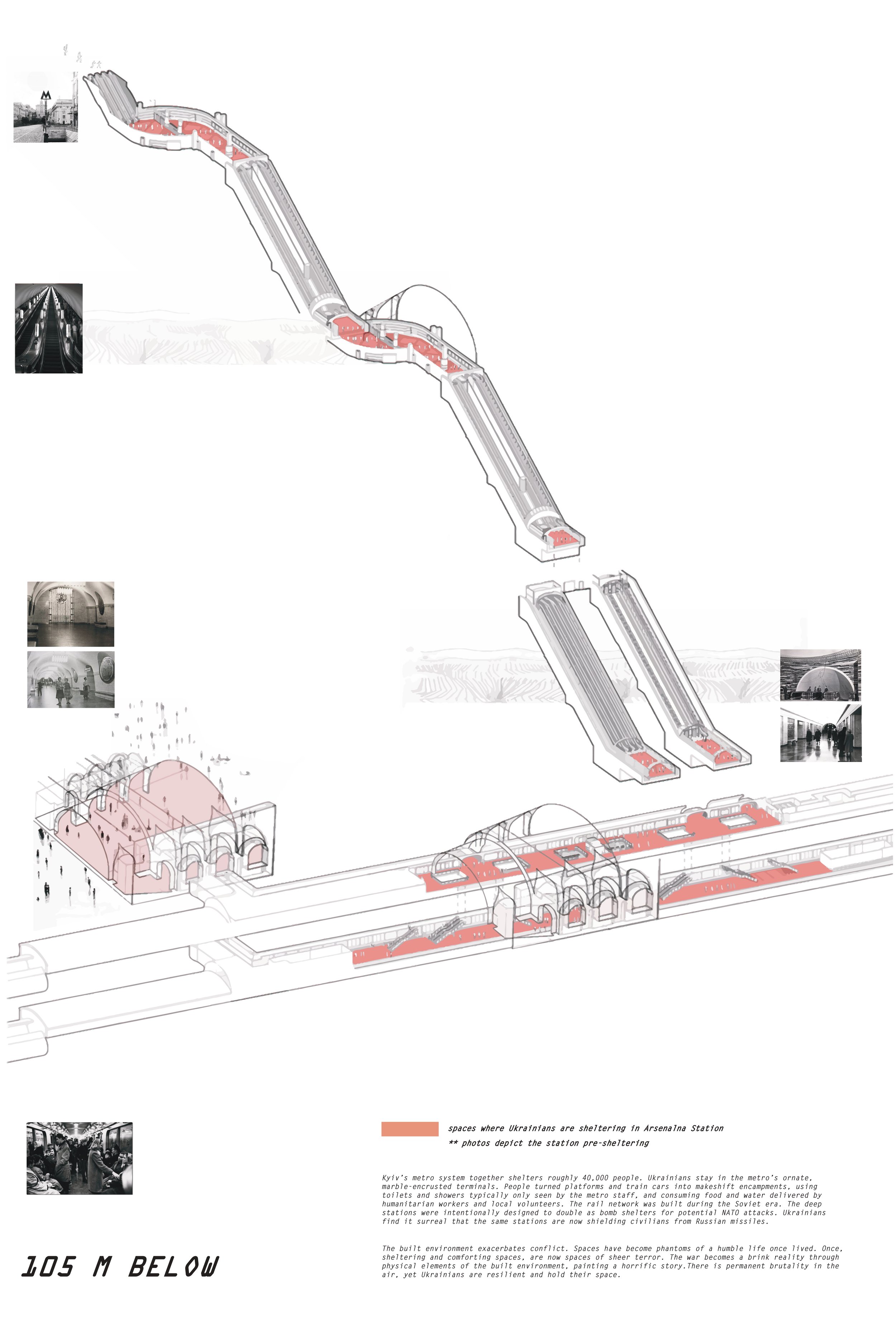
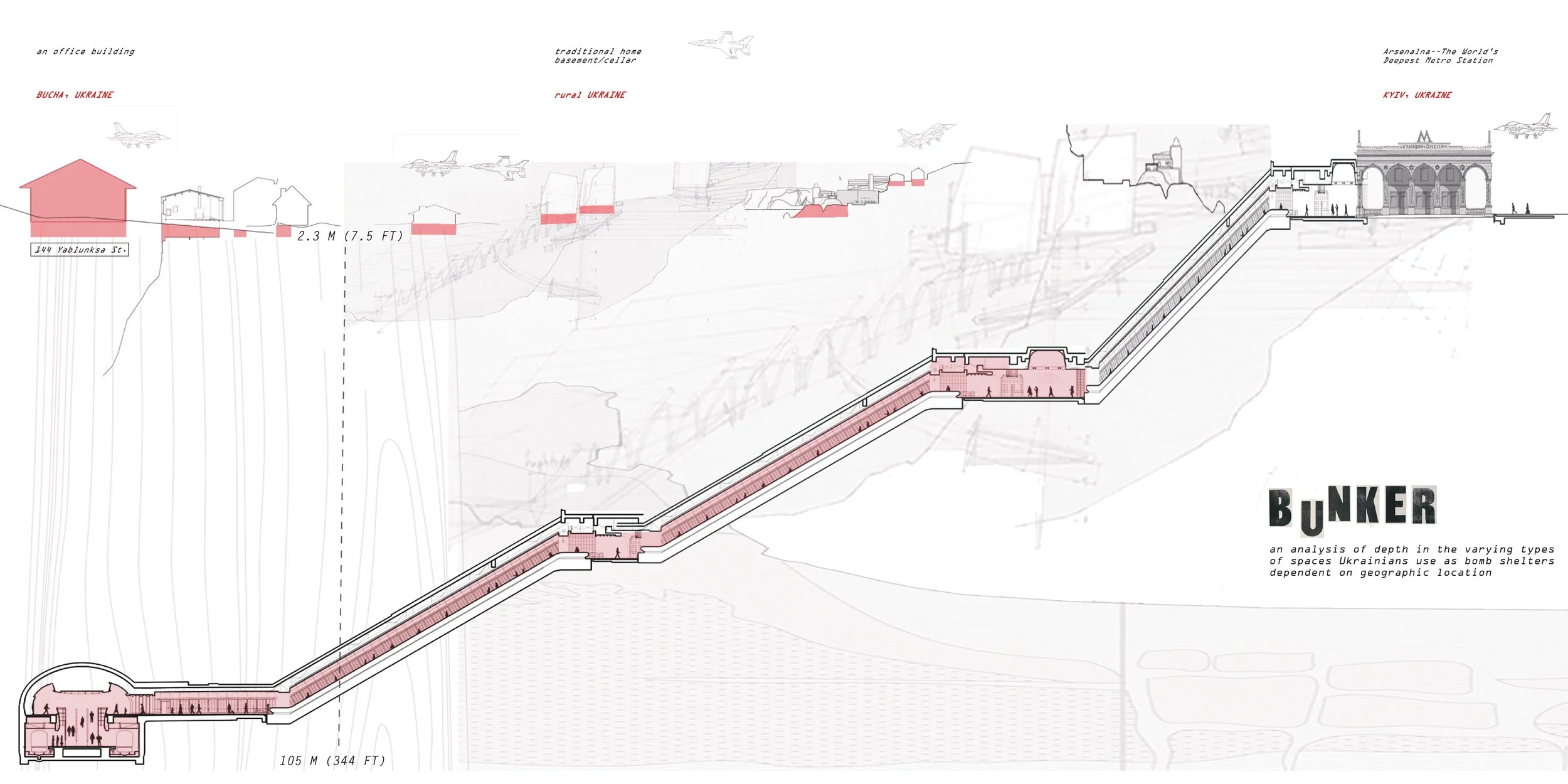
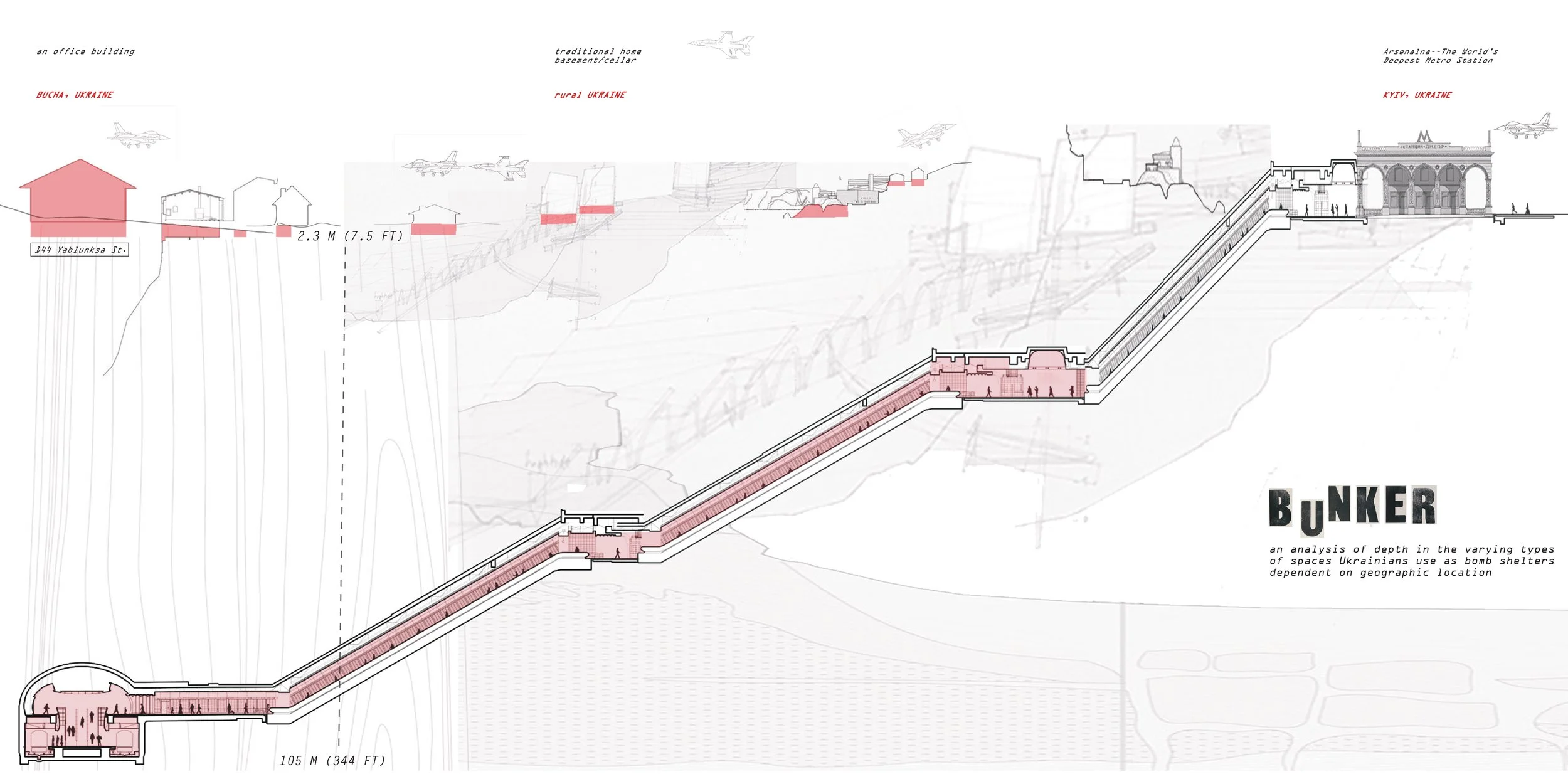
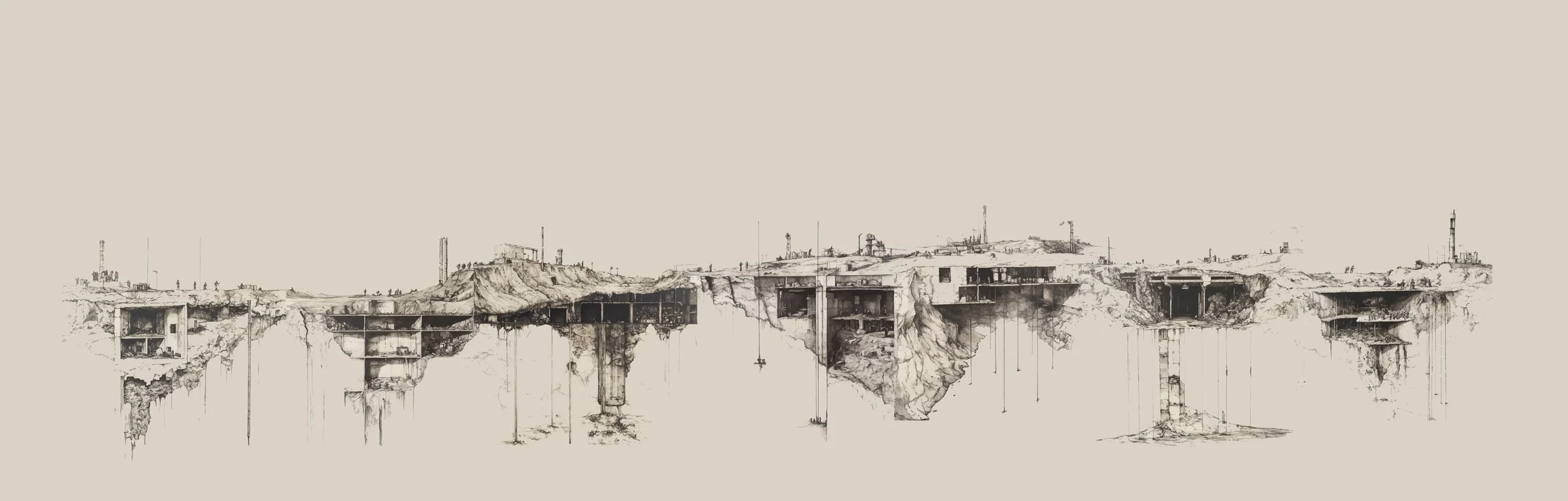
The streets of Bucha have morphed from their original homage to history and culture. Life that breathed along a legible line of sight, Yablunska Street specifically, has collapsed under conflict. The crimes against Ukraine highlight that spatial relationships do not solely occur on the ground but manifest above and below. Basements appear to serve as violent spaces for vile war crimes to take place. The lack of visibility contributes to the Russian decision to perform acts of torture and execution. Paradoxically, the basement is also a space of protection. Varying depths of spaces Ukrainians use as bomb shelters dependent on geographic location were mapped, from shallow rural basements and cellars to the deepest metro station in the world, Areslena Station in Kyiv, Ukraine.
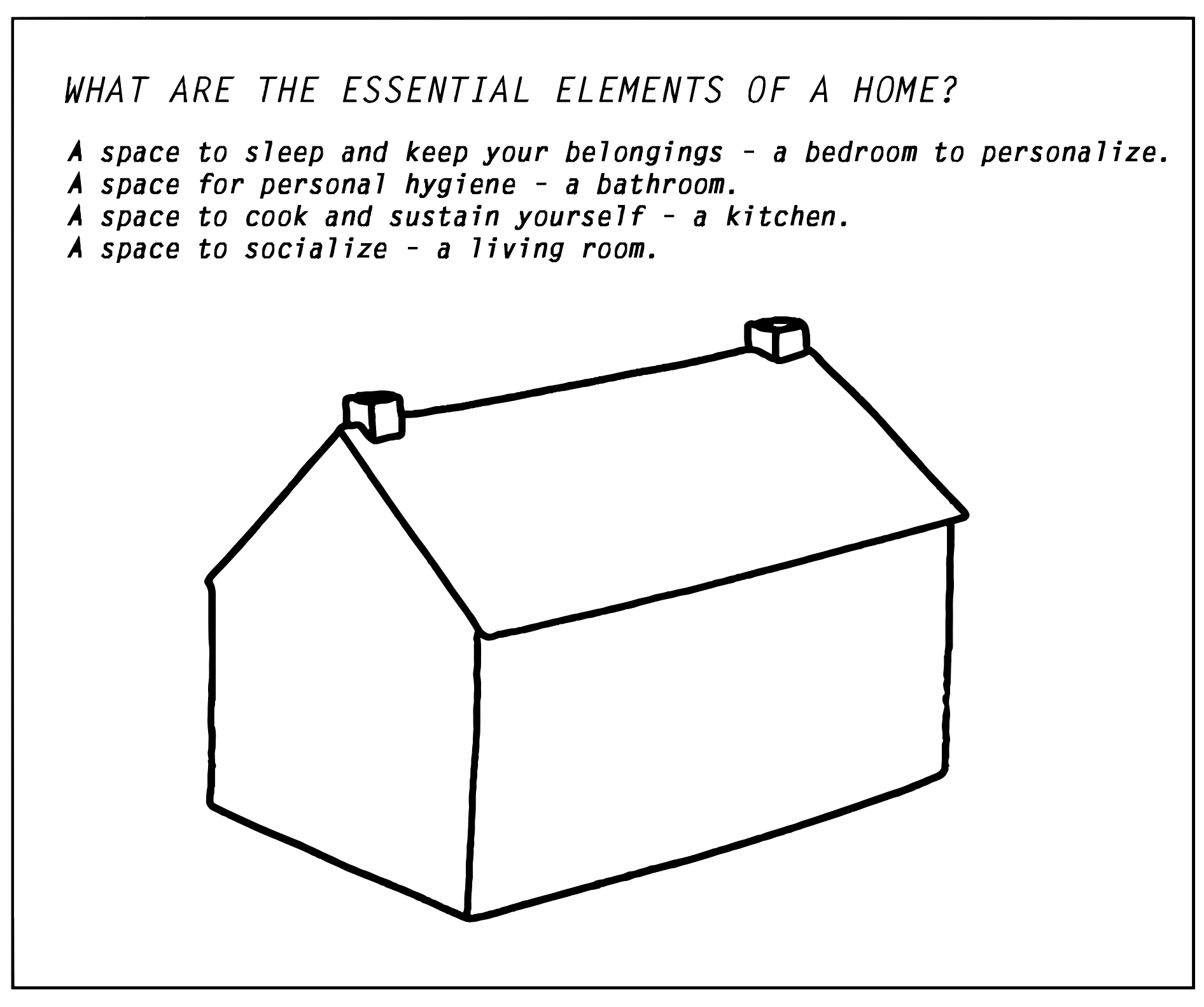
The built environment exacerbates conflict. Spaces have become phantoms of a humble life once lived. Once, sheltering and comforting spaces, are now spaces of sheer terror. The war becomes a brink reality through physical elements of the built environment, painting a horrific story. Ukrainians know that they cannot stay between two walls. Instead they seek refuge in spaces they know will be safe for their family. The home remains the most comforting refuge. The metro is now also that place. Buildings in general are the ultimate refuge. However, architecture may embody injustice at its finest.
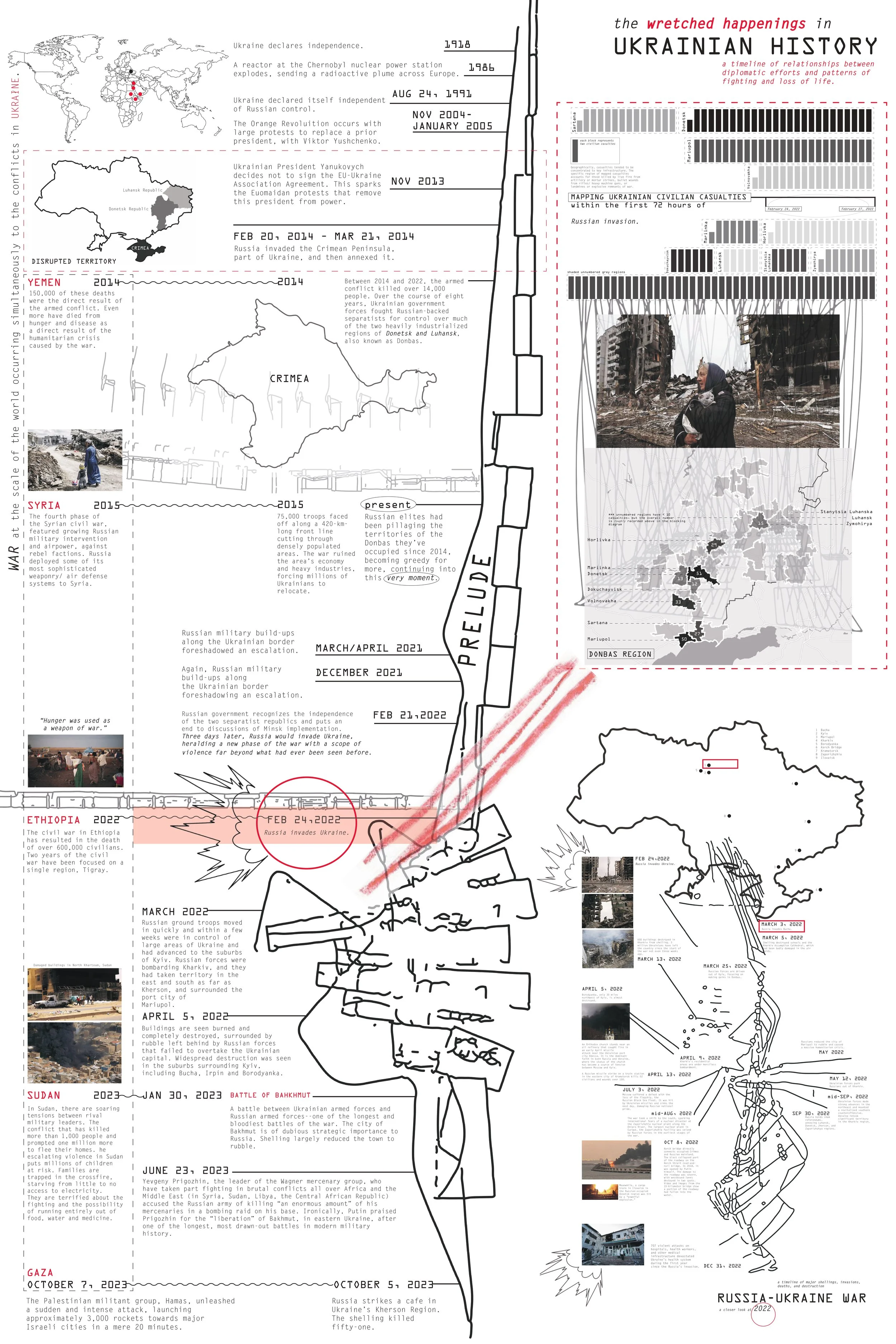
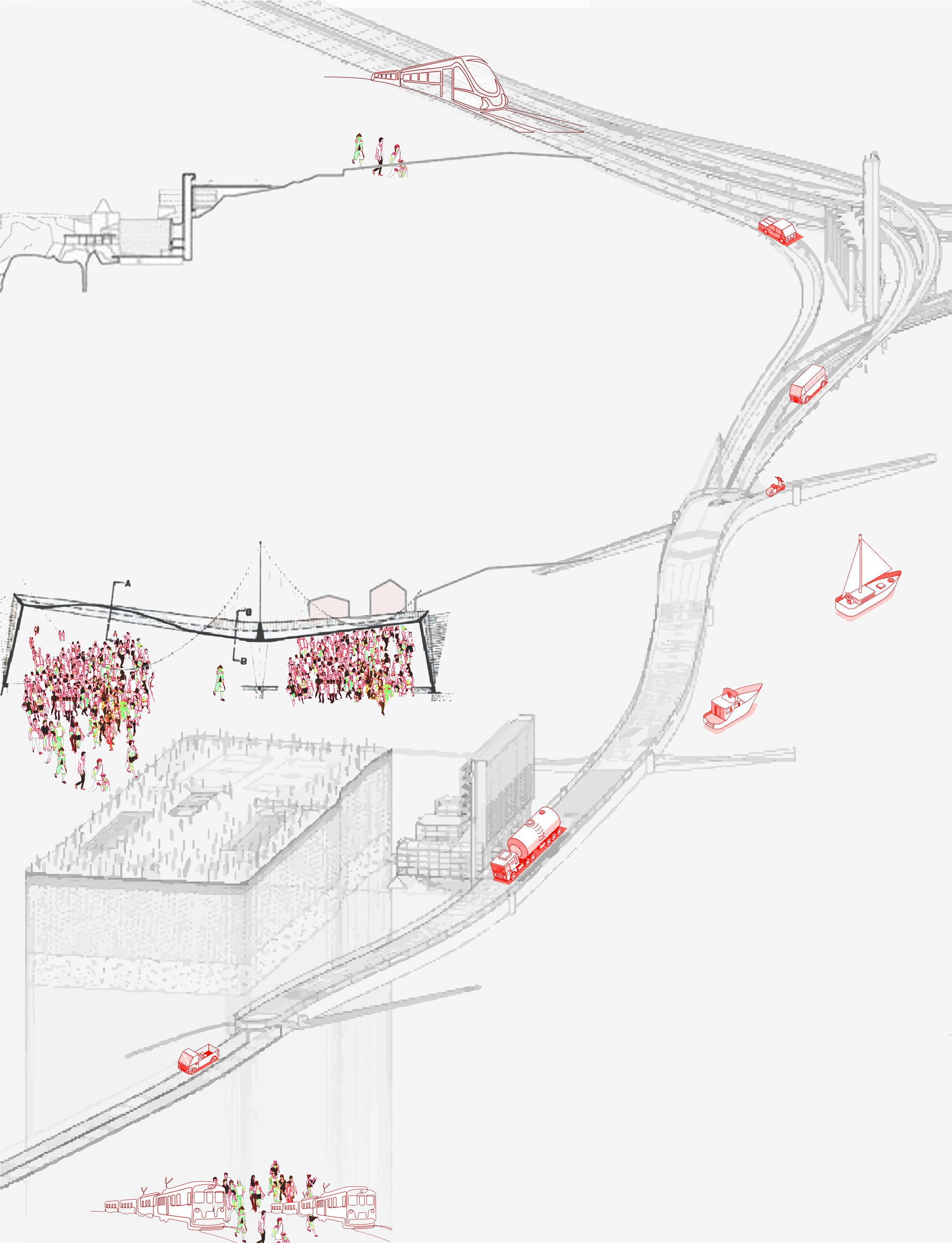
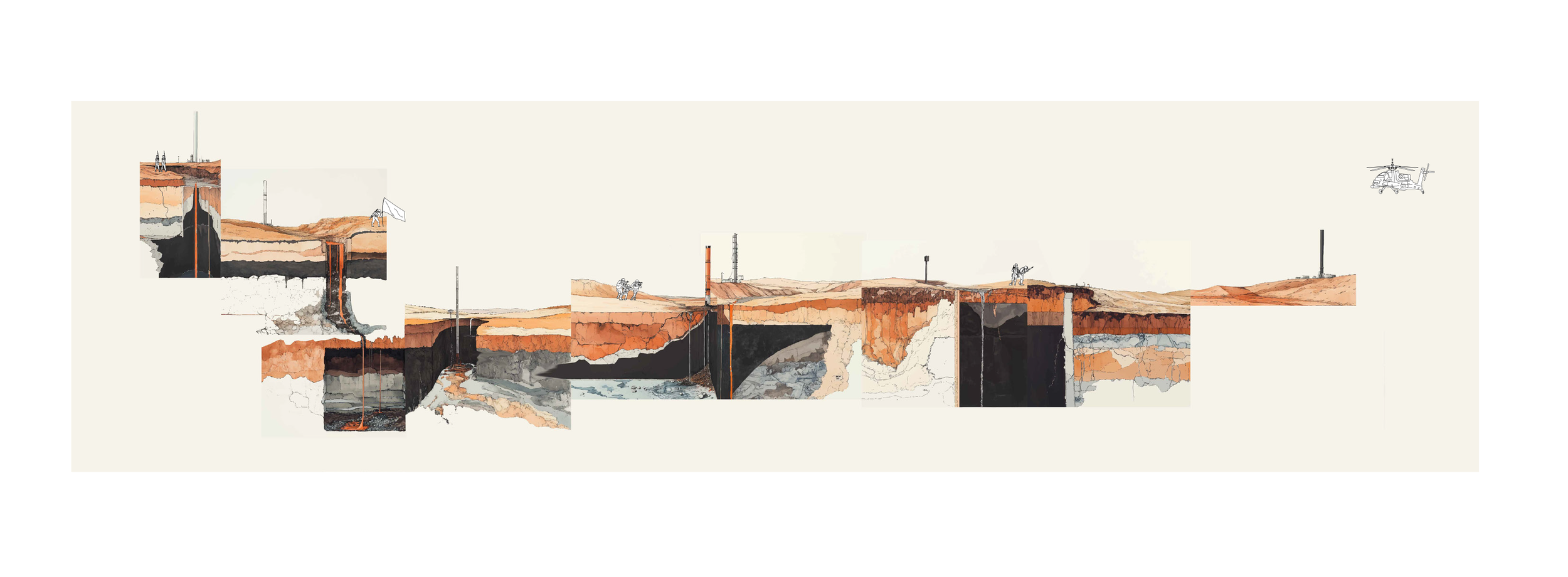
The complex relationship between conflict and nature is multifaceted. Conflicts can have devastating consequences for the environment, including habitat destruction, species loss, and air and ground contamination. The complex interplay between nature and conflict has profound implications for urban environments. These urban landscapes, characterized by a complex mosaic of human-made structures and natural elements, are particularly vulnerable to the cascading effects of conflicts. Beyond immediate physical damage, conflicts also disrupt ecological processes, alter hydrological cycles, destroy green spaces and biodiversity, and contribute to climate change.
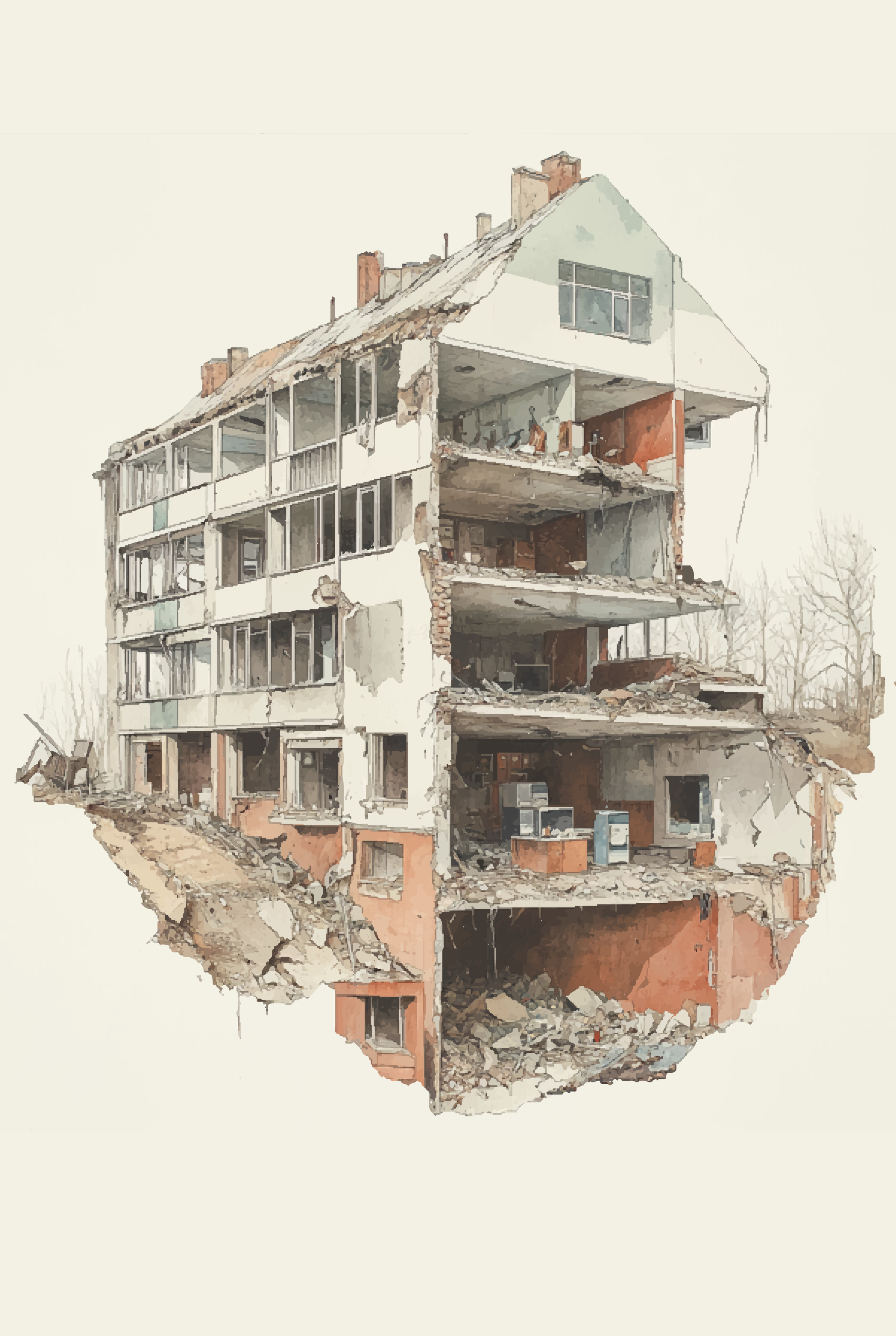
interpretative drawing of destruction of office building, 144 Yablunska Street, after Russian occupation, highlighting ground and air contamination from building materials