the RF (reciprocal frame) DOME
Poly Canyon, San Luis Obispo, CA, USA
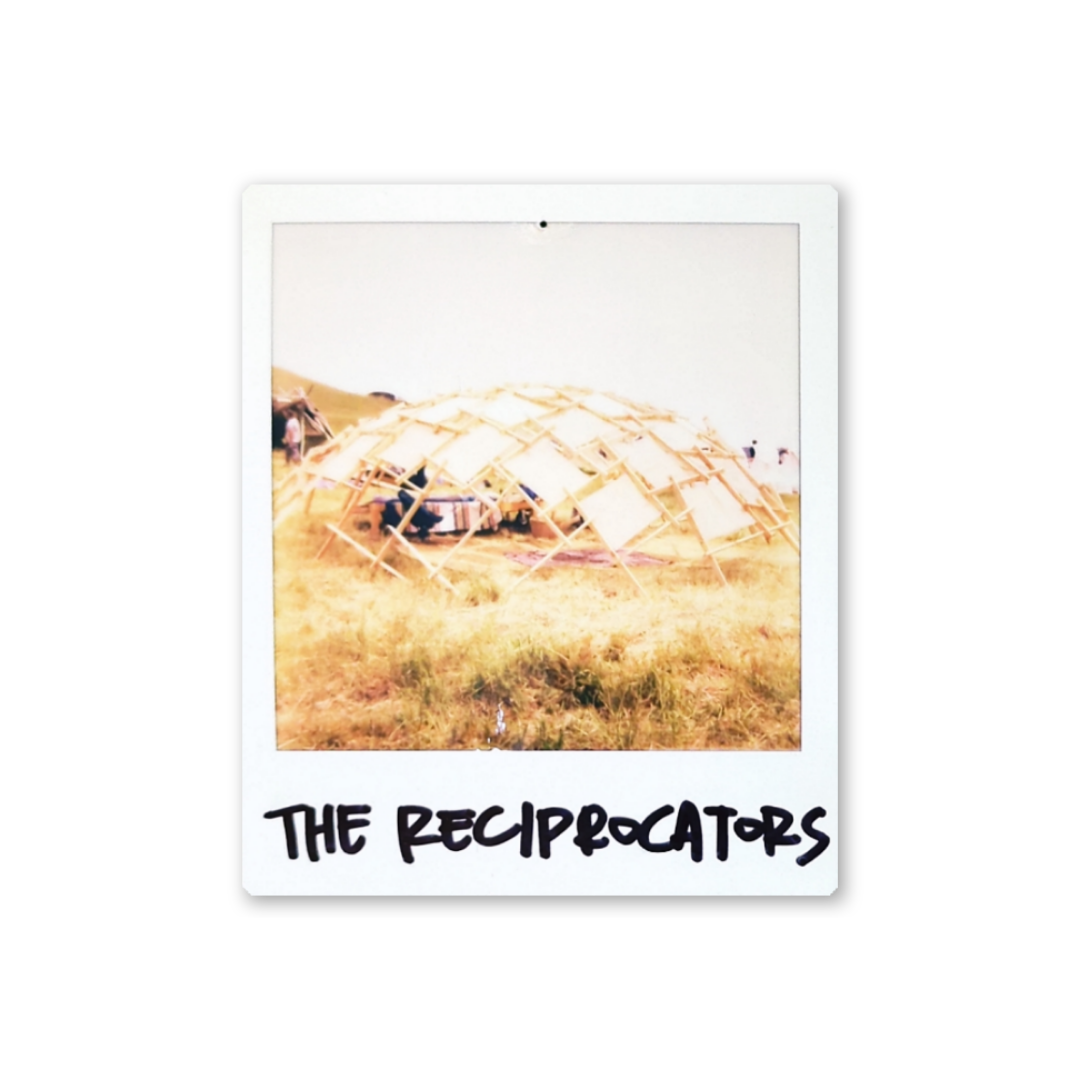
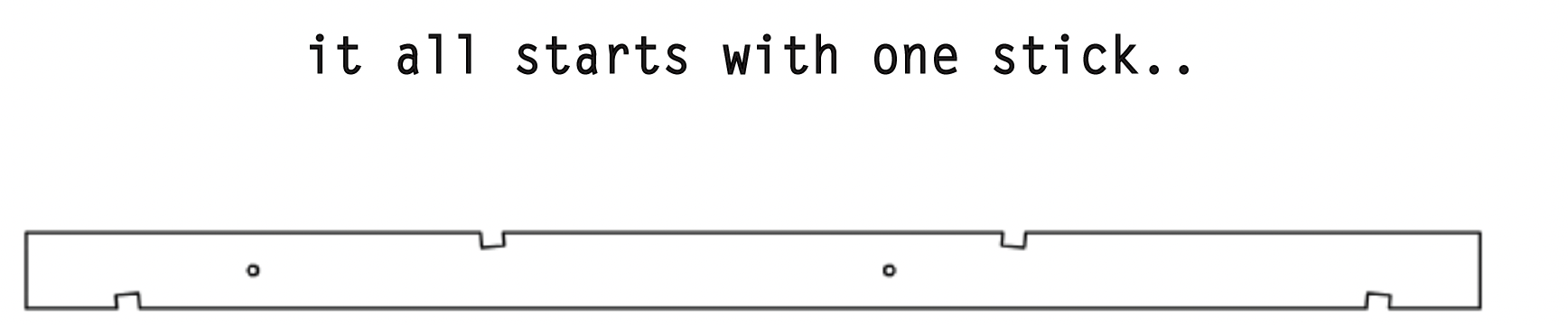
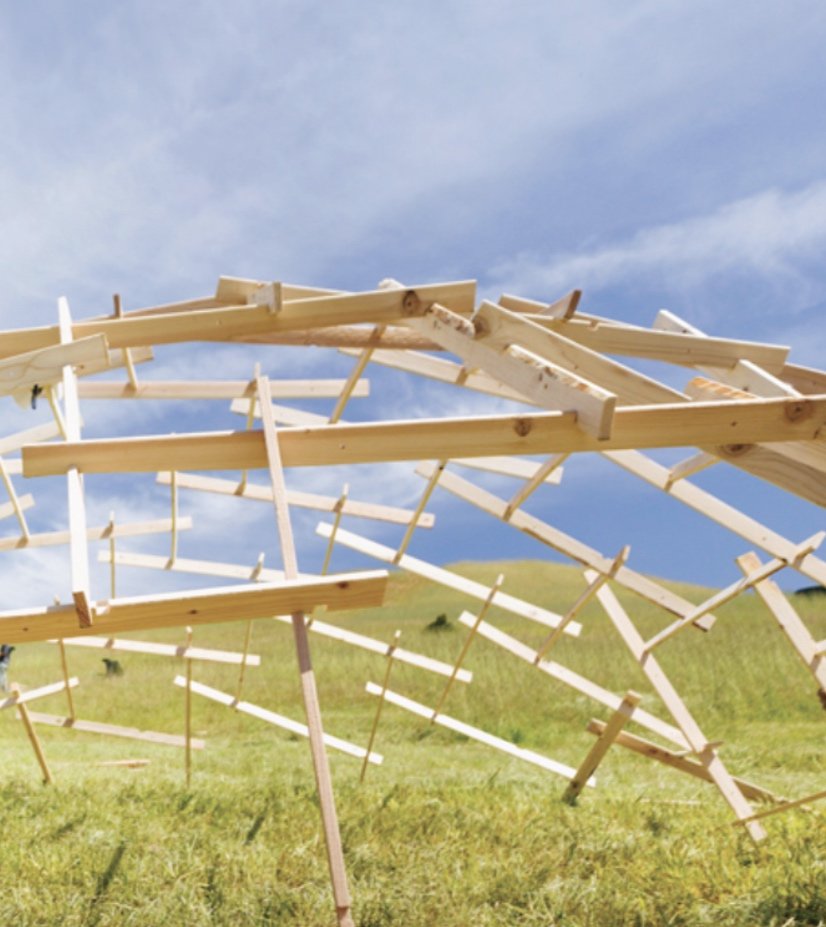
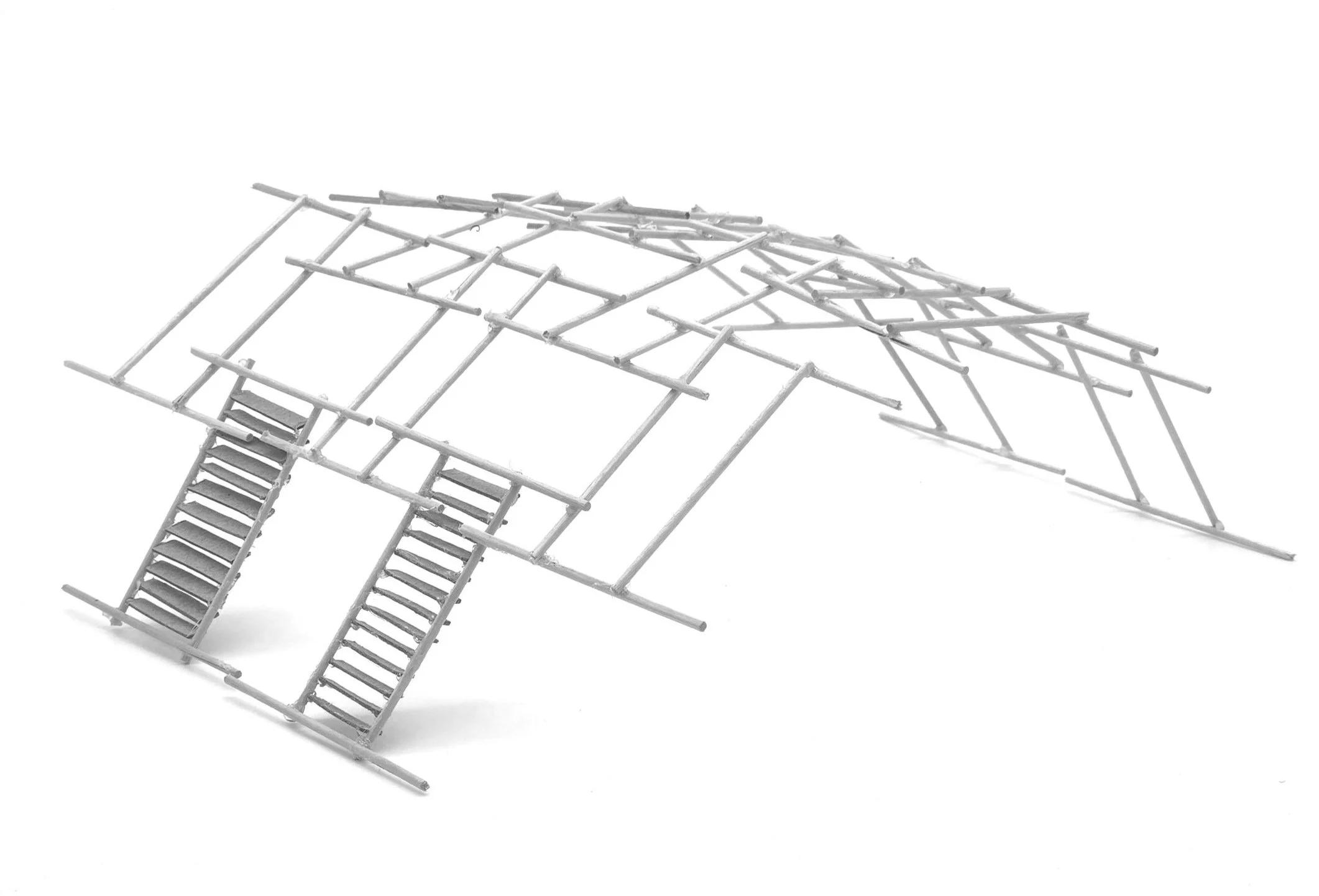
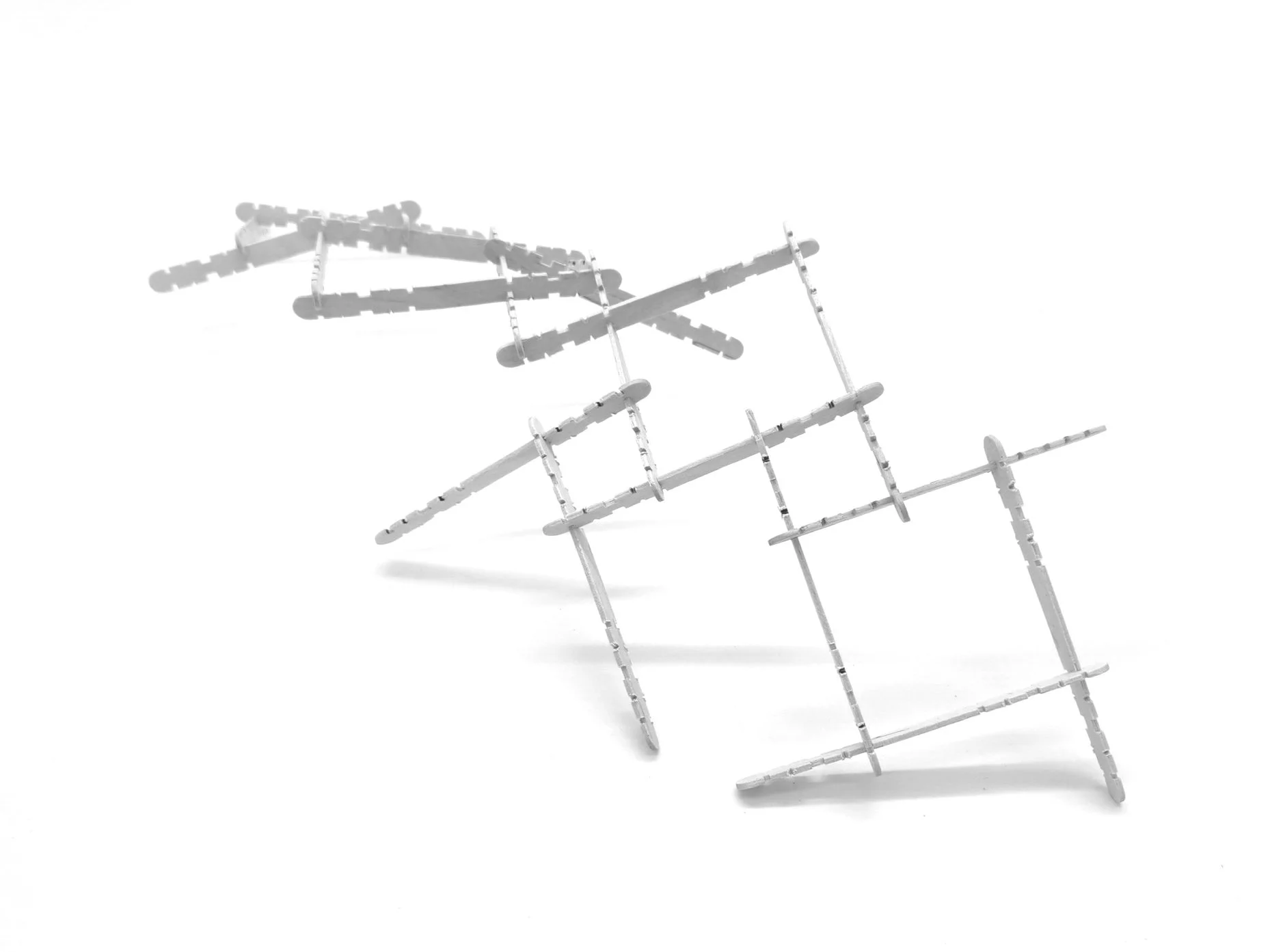
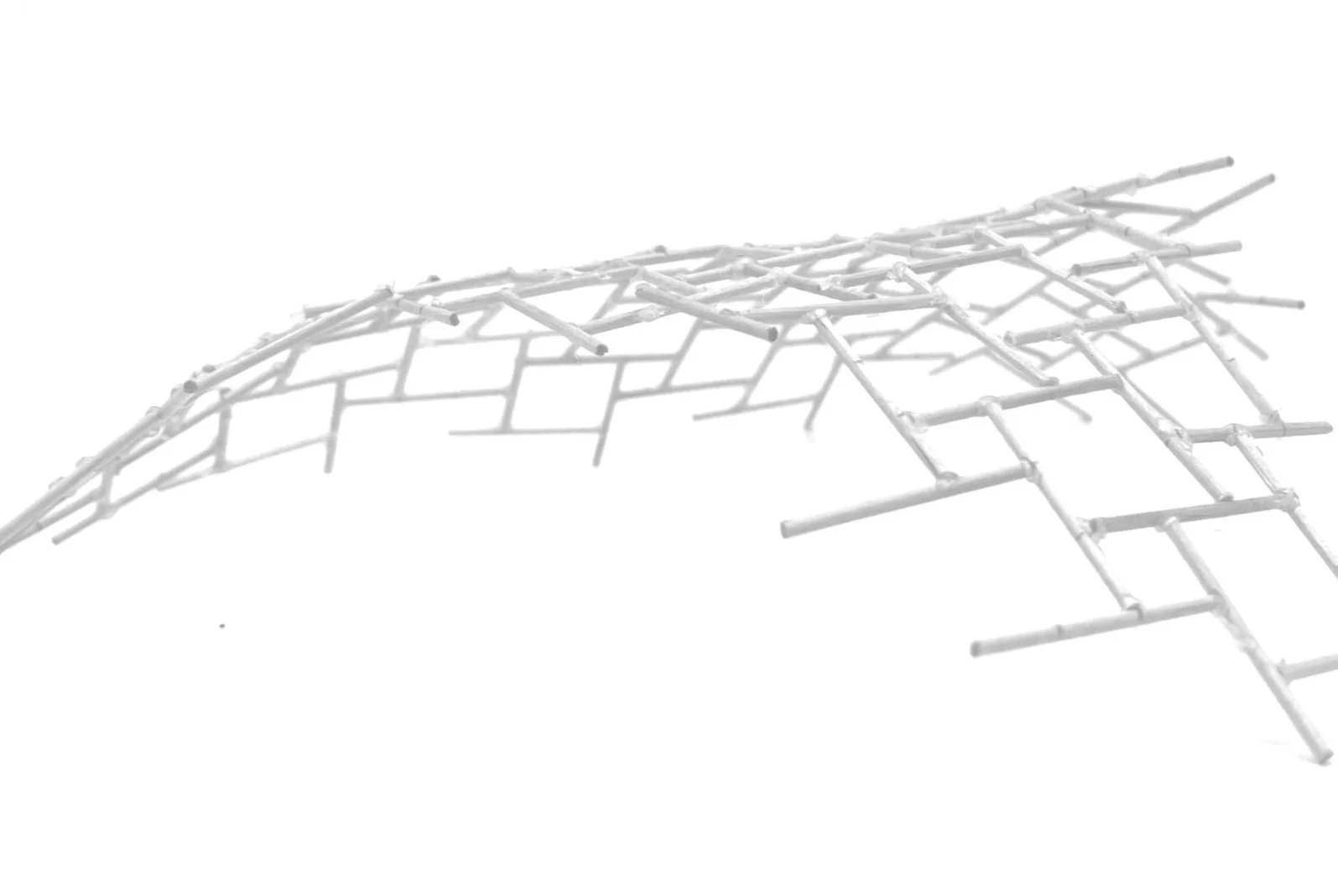
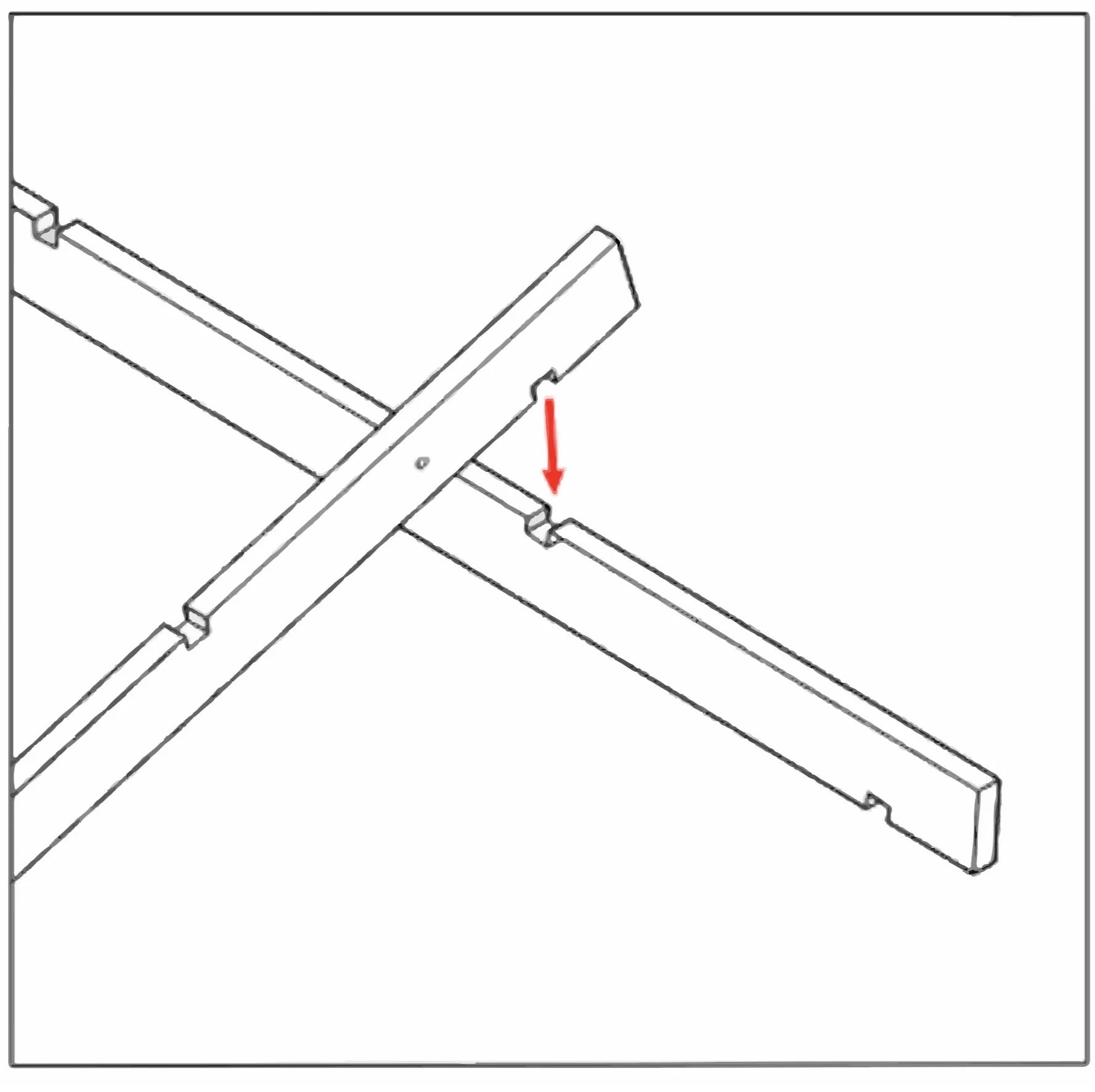
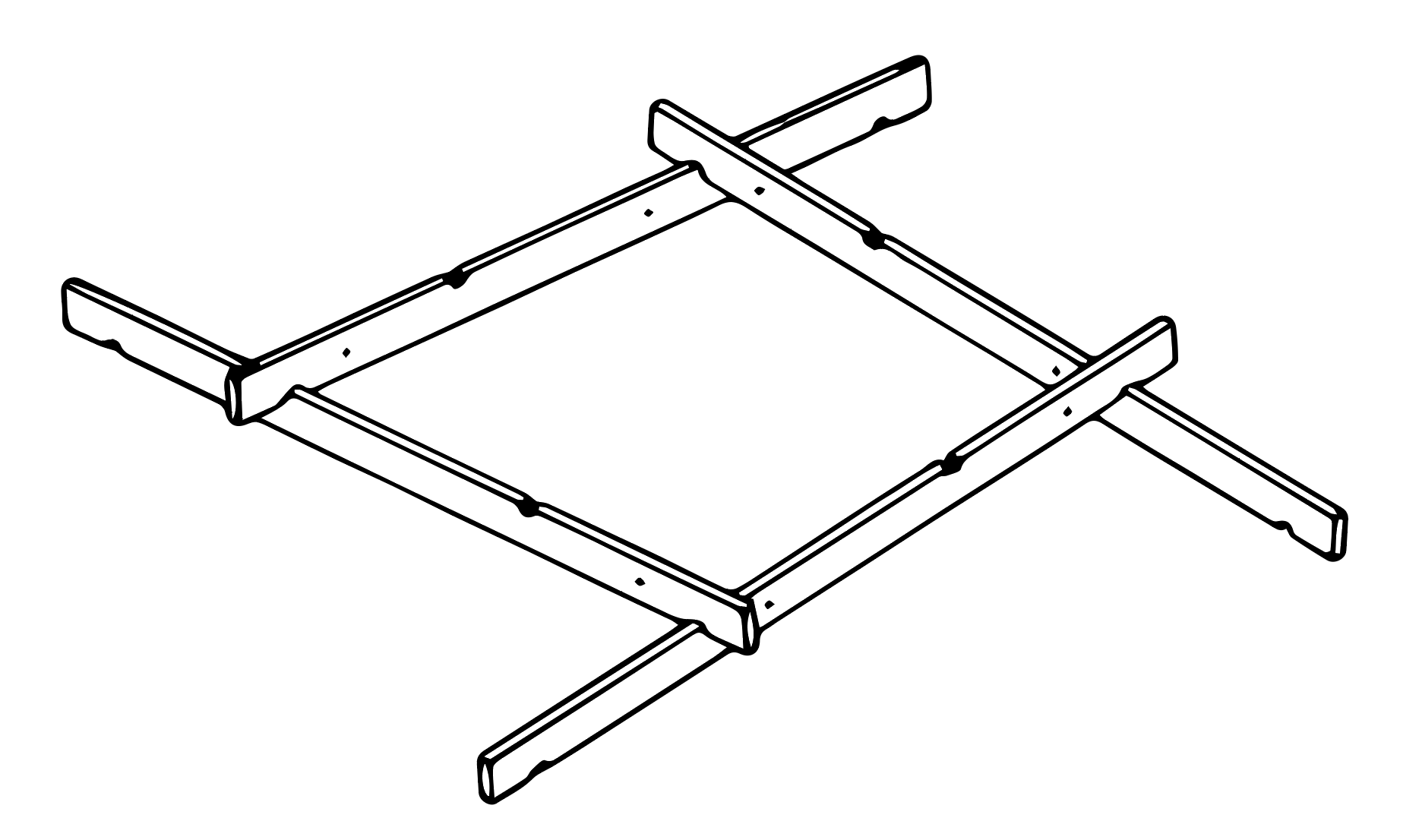
Explorations in form began with small-scale models using various patterns. The advantage of structural patterning with reciprocal framing is that the pattern translates across building scales very easily, and techniques used can be applicable at all scale levels. Early studies focused on triangular and quad RF-units because of their ease of construction. Structural patterning can quickly be lost if strict construction sequencing is not considered and/or enforced. This concept of construction sequencing was helpful to see at smaller scales because it also translates well into 1:1 construction. The reciprocal dome project was an exercise in means, methods, and meanings. Through countless iterations, including the standard notched sticks that allowed us to play with a standard module, the team was able to stumble upon the idea of a unique reciprocal dome that has an optimized construction approach.
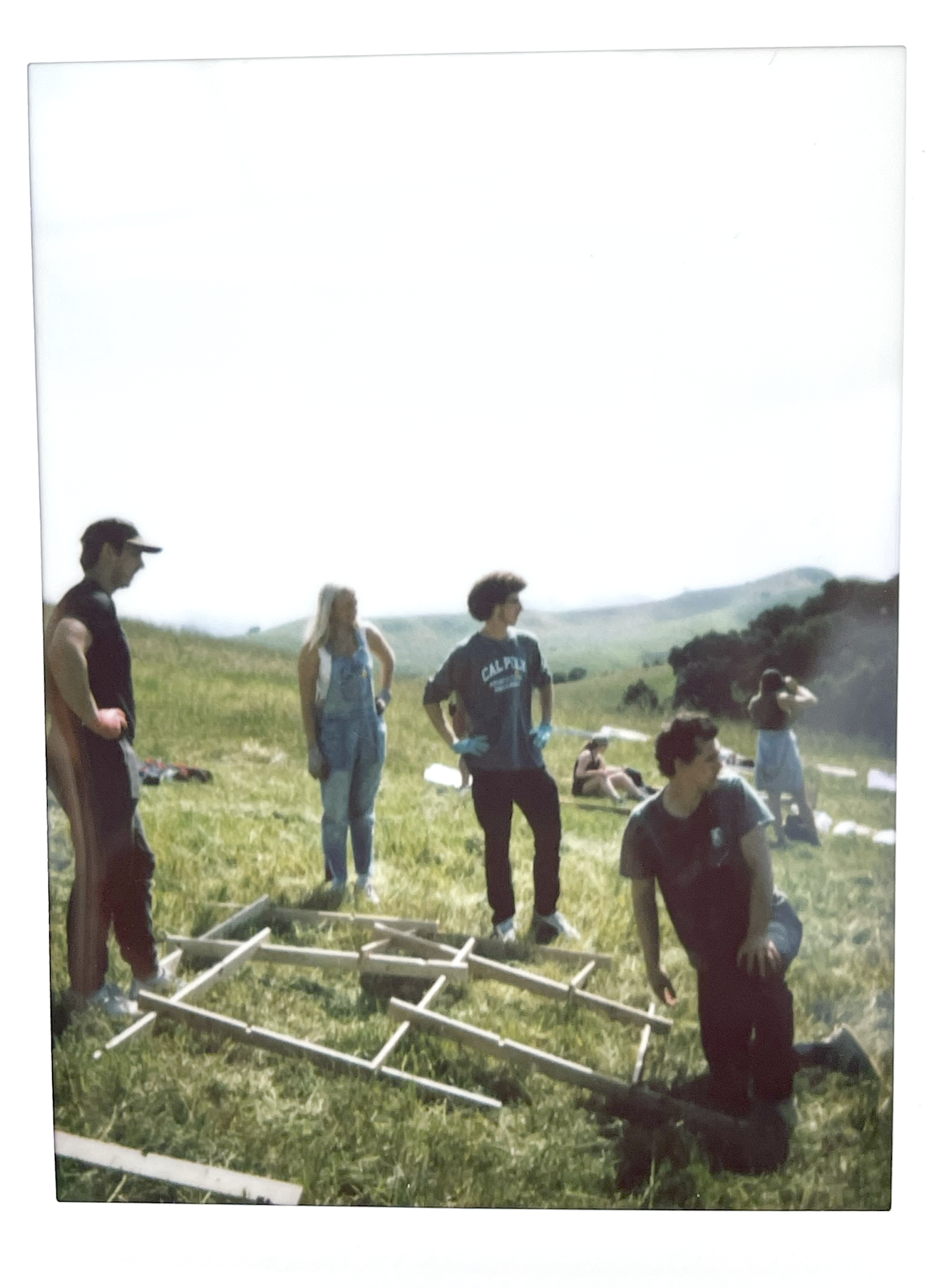
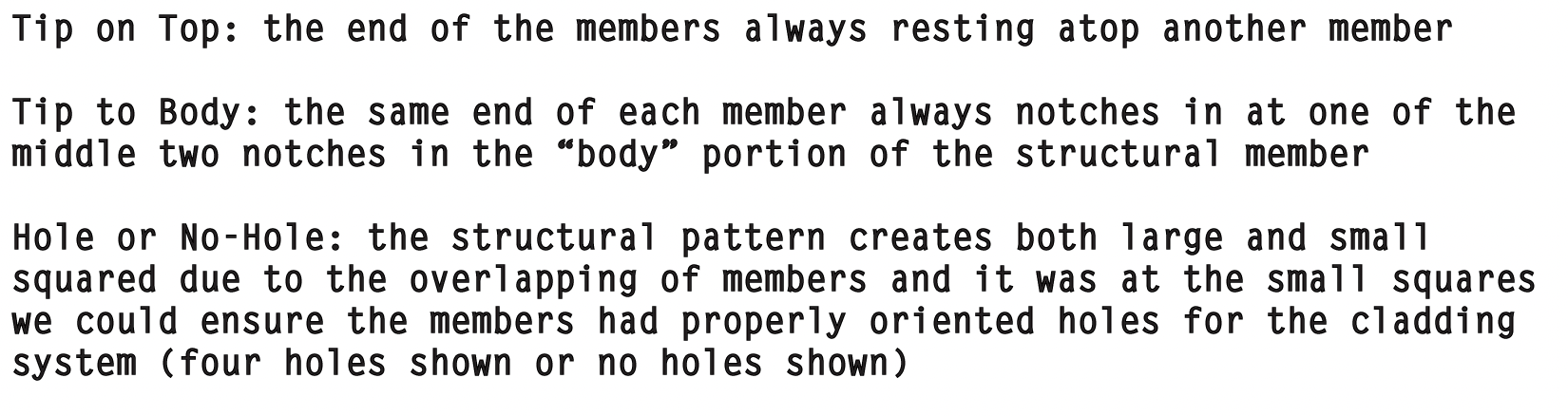
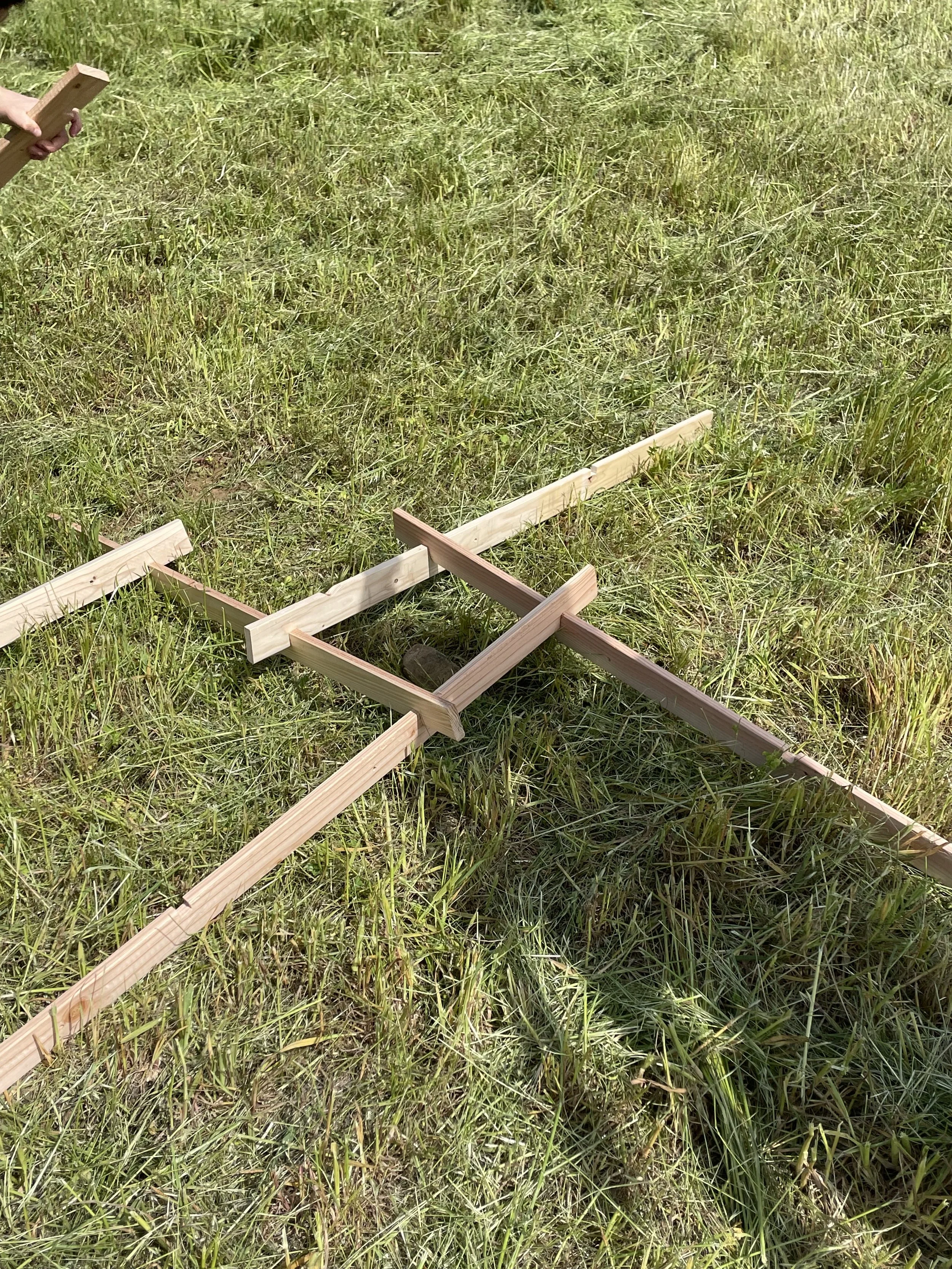
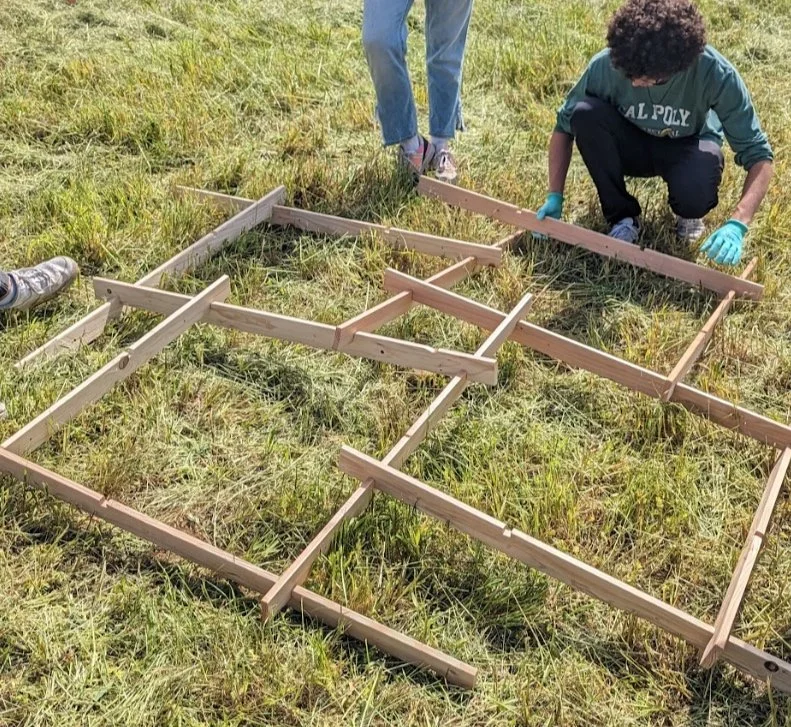
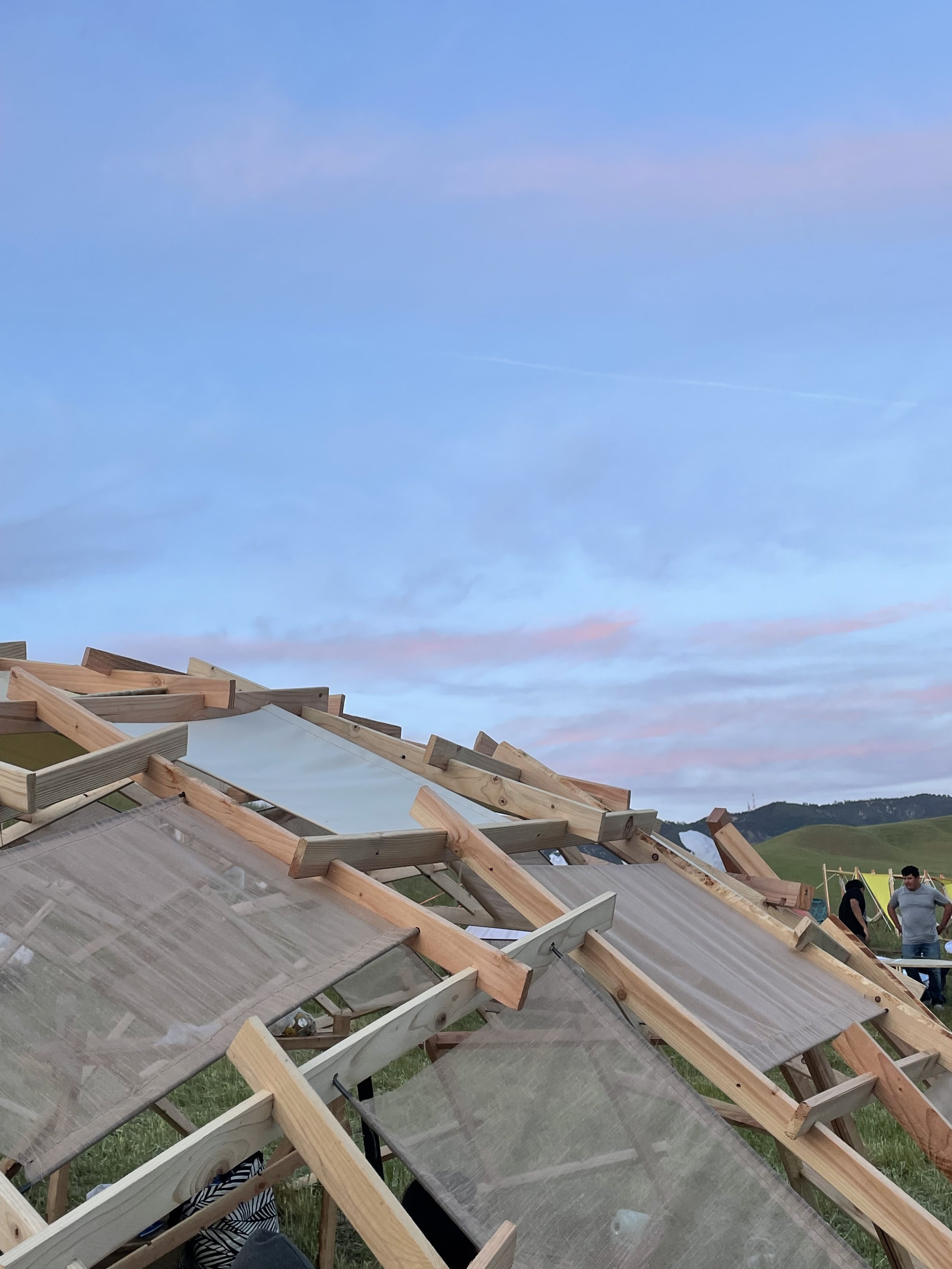
The structure begins with the construction of a single RF-unit. From the center unit, the “keystone” of the dome, four team members stood at each of the four sides of the square RF-unit and added members by the commands of a lead member. This orchestrated construction sequence ensured the structure was built symmetrically and resulted in the least number of fit-up issues between members. It is important to note that the construction sequence is heavily reliant on the “feel” of the structure, in addition to the balanced look of the framing system. Although the process of adding members is systematic, small adjustments around the entire structure are constant throughout the building process to ensure better fit-up for incoming pieces. An example of these small adjustments would be pulling the lower ends of elements outwards to promote settlement and flattening of notched connections so that the structure forms a true spherical shape.
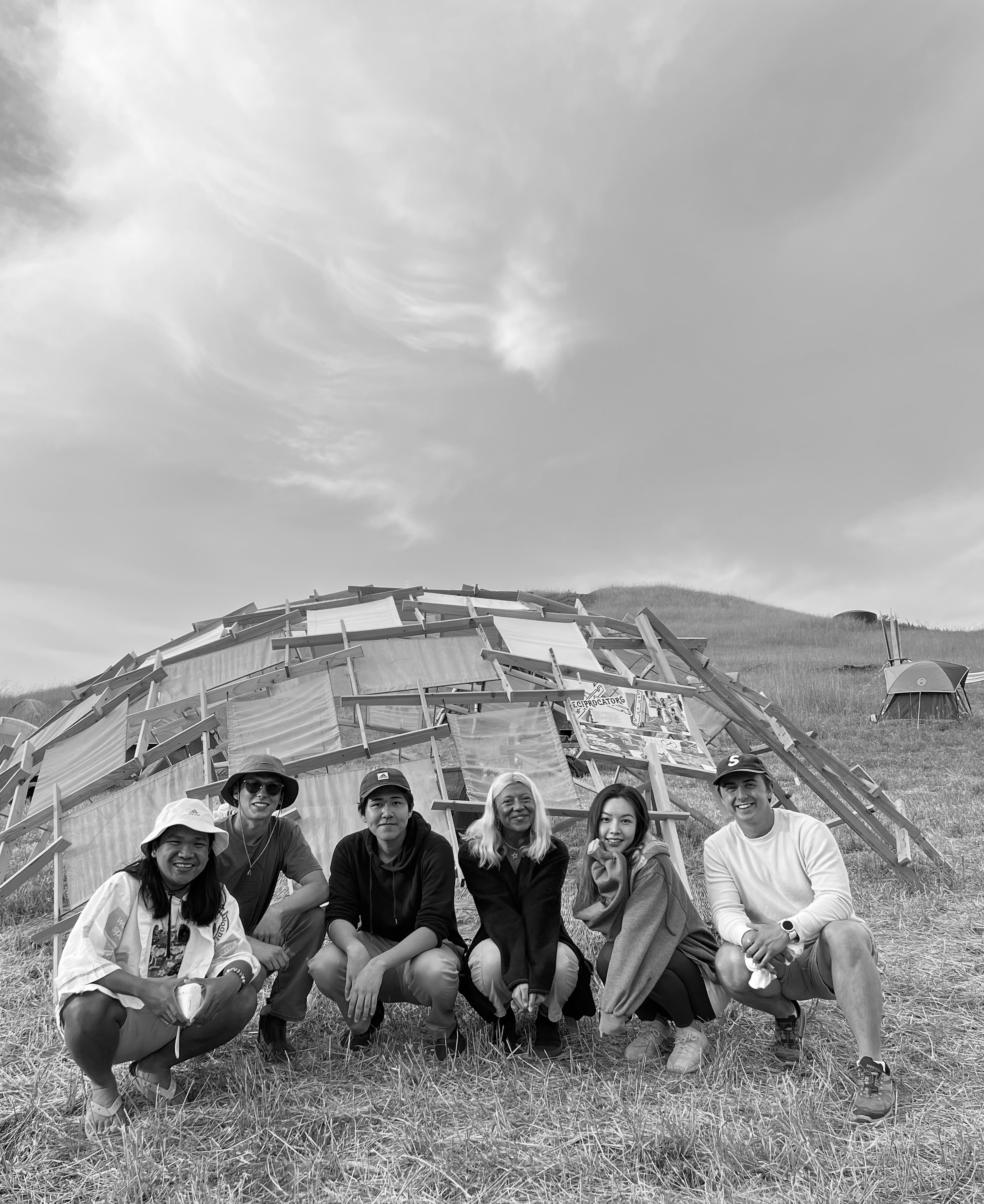
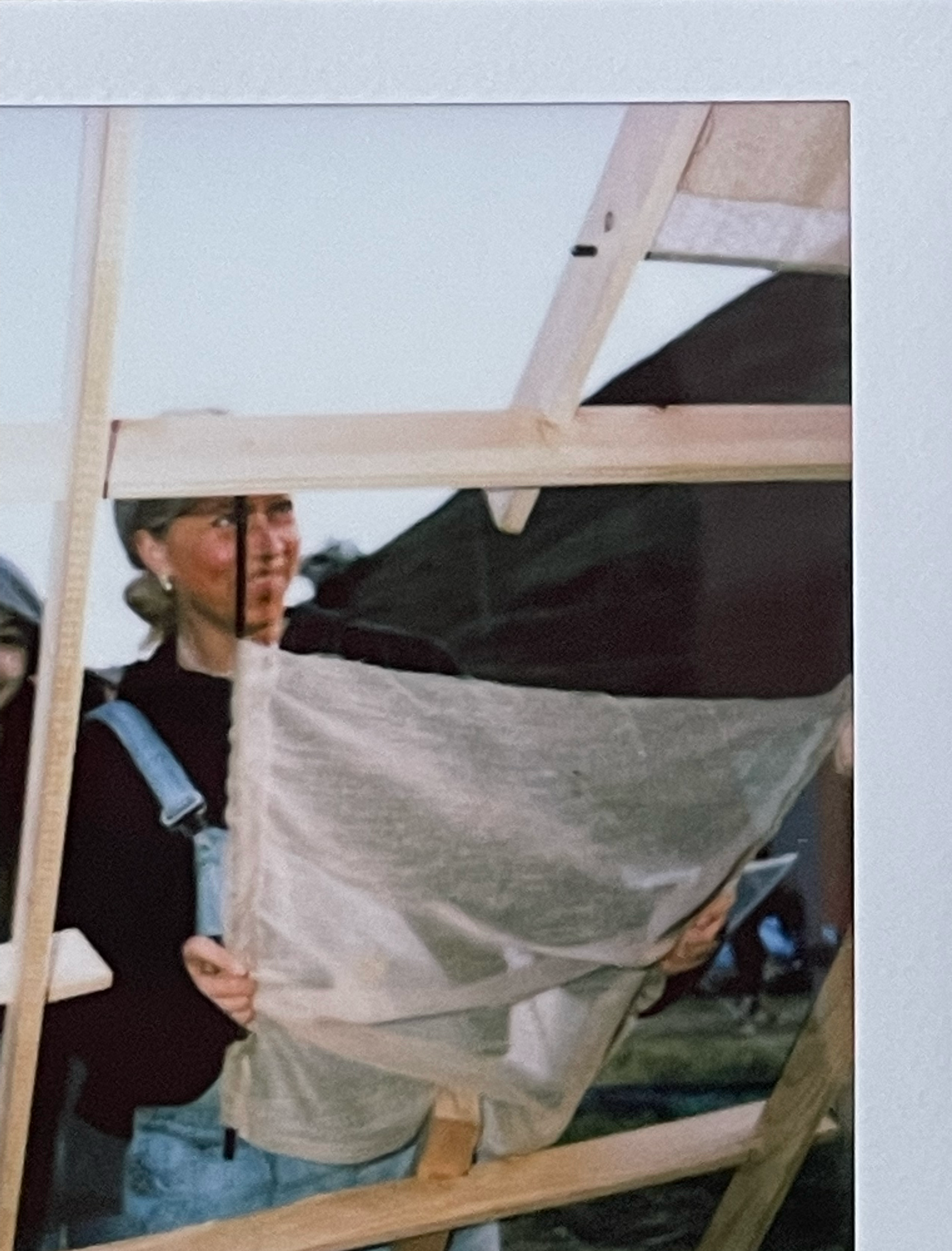
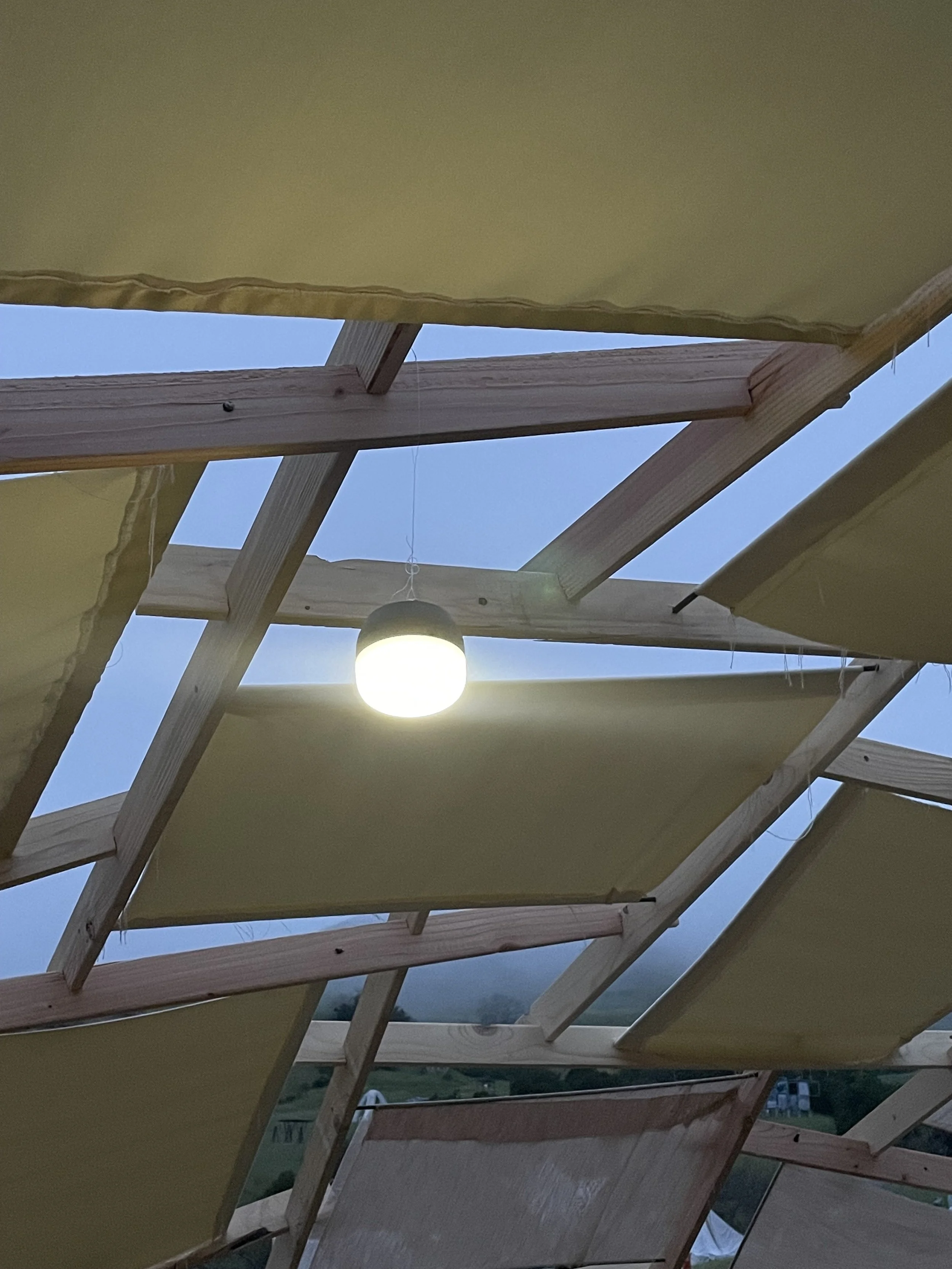
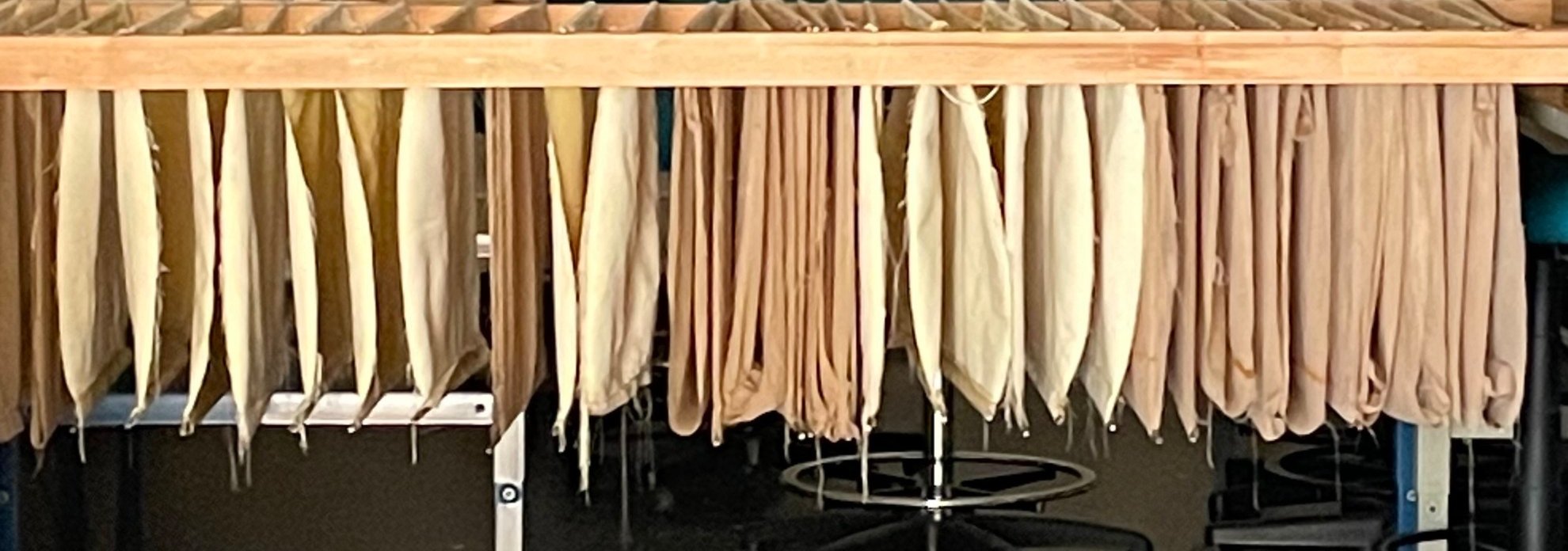
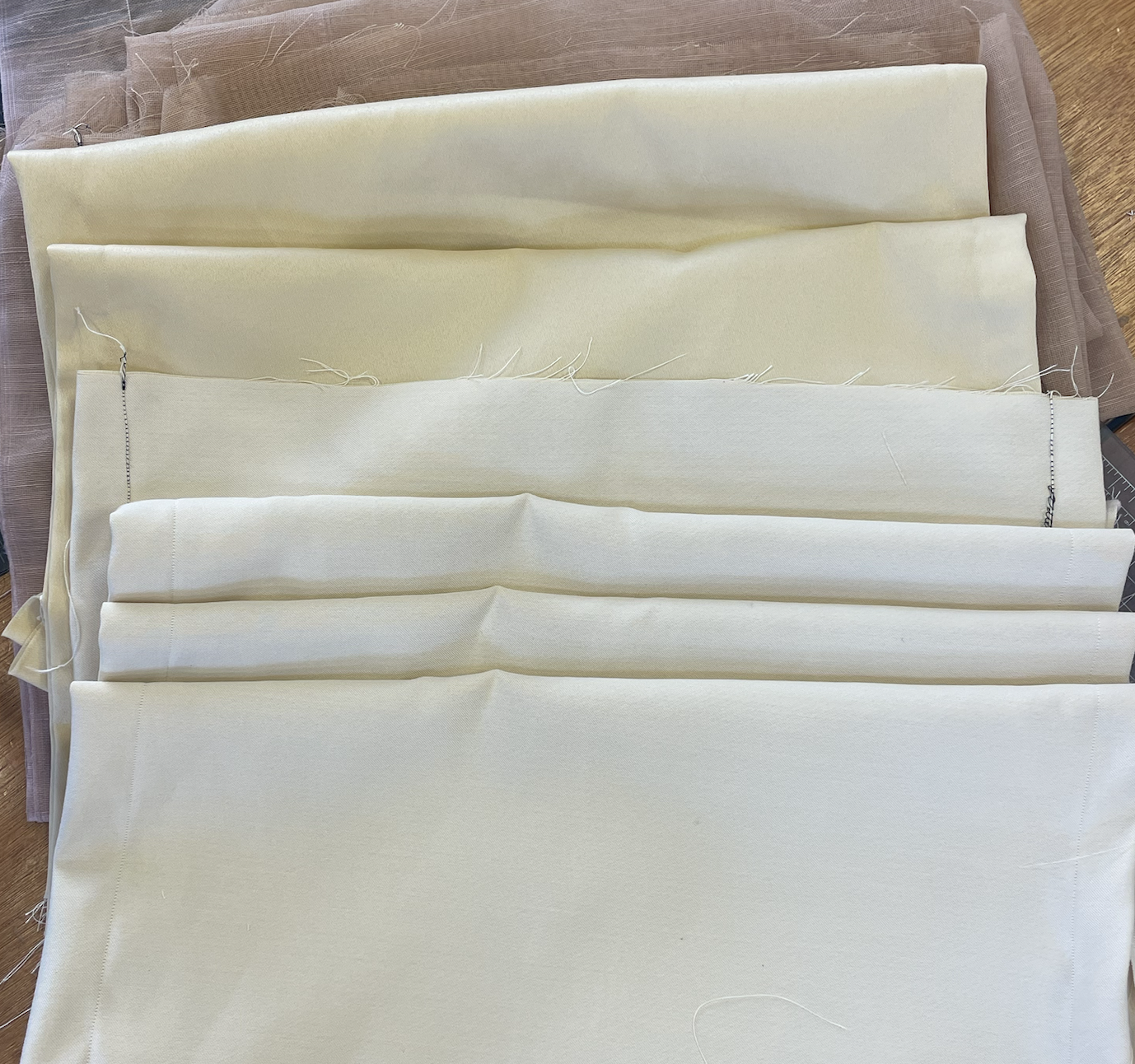
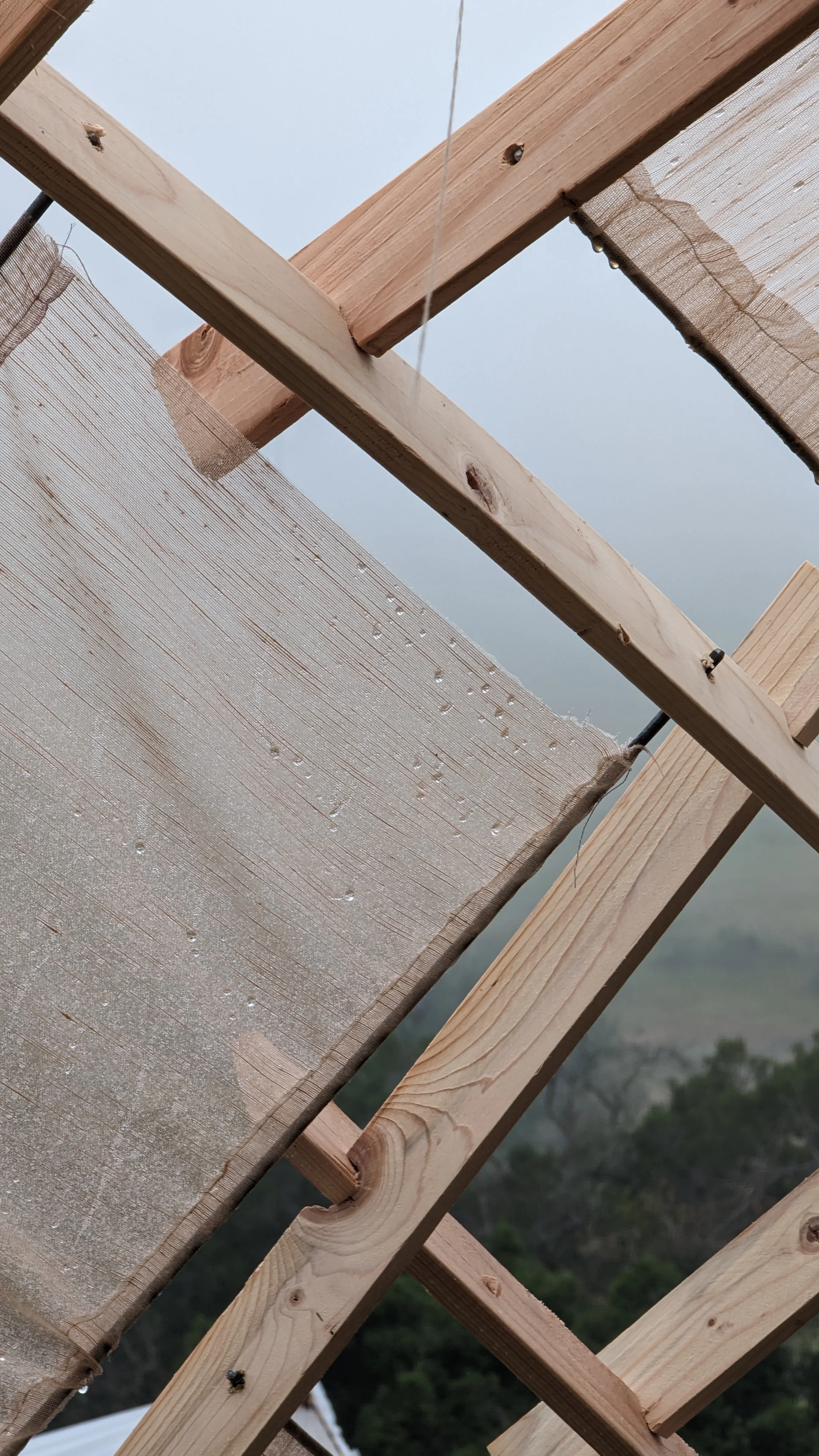
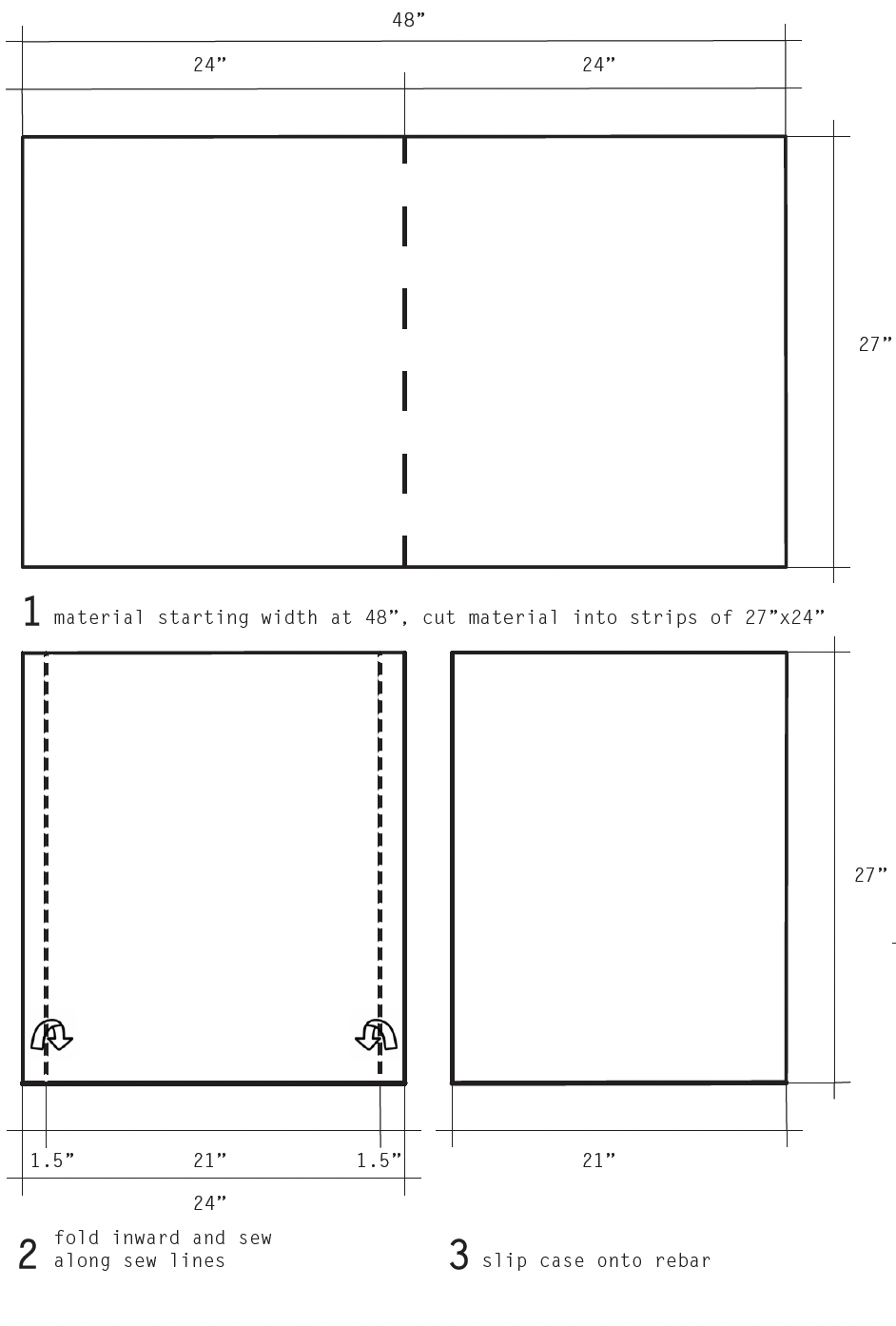
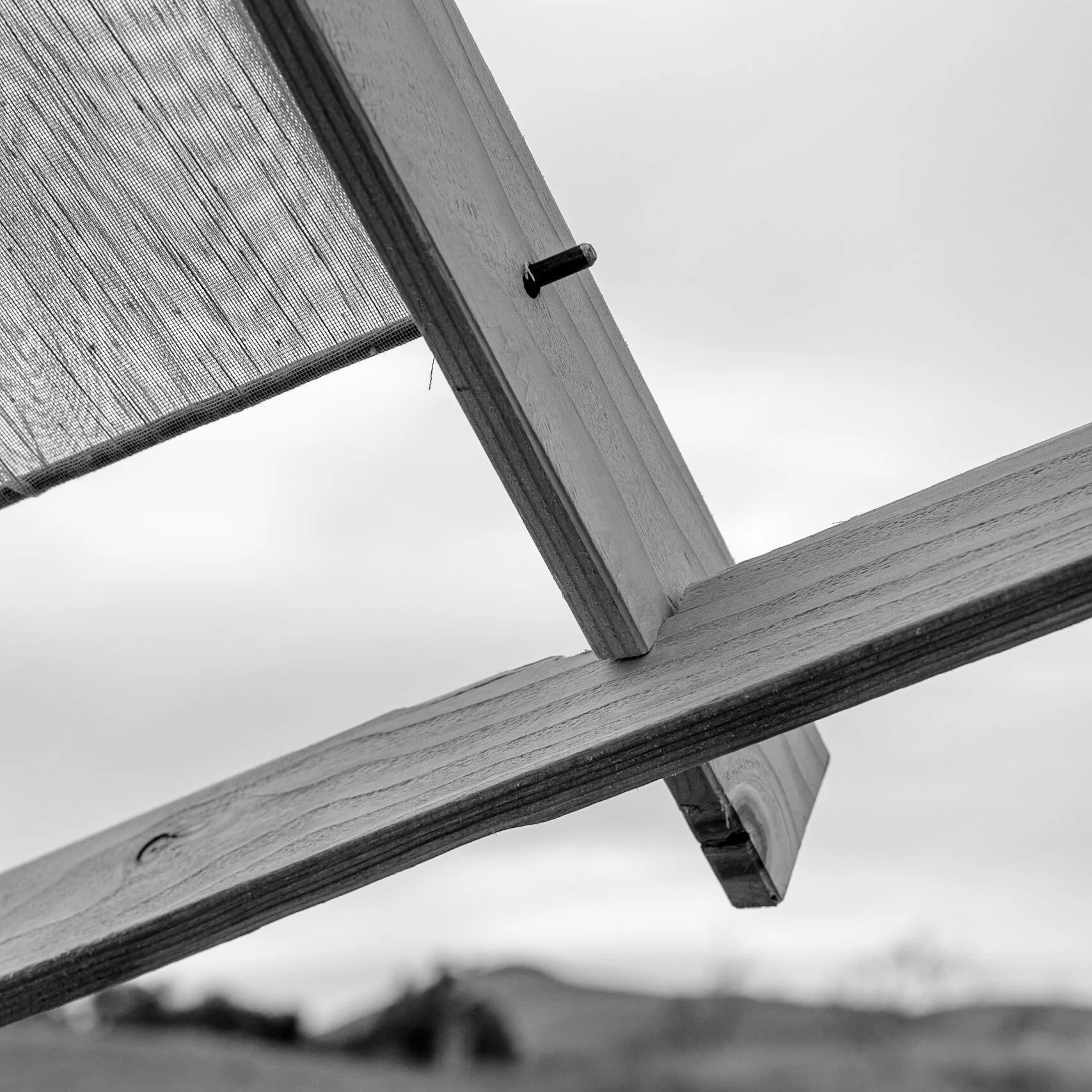
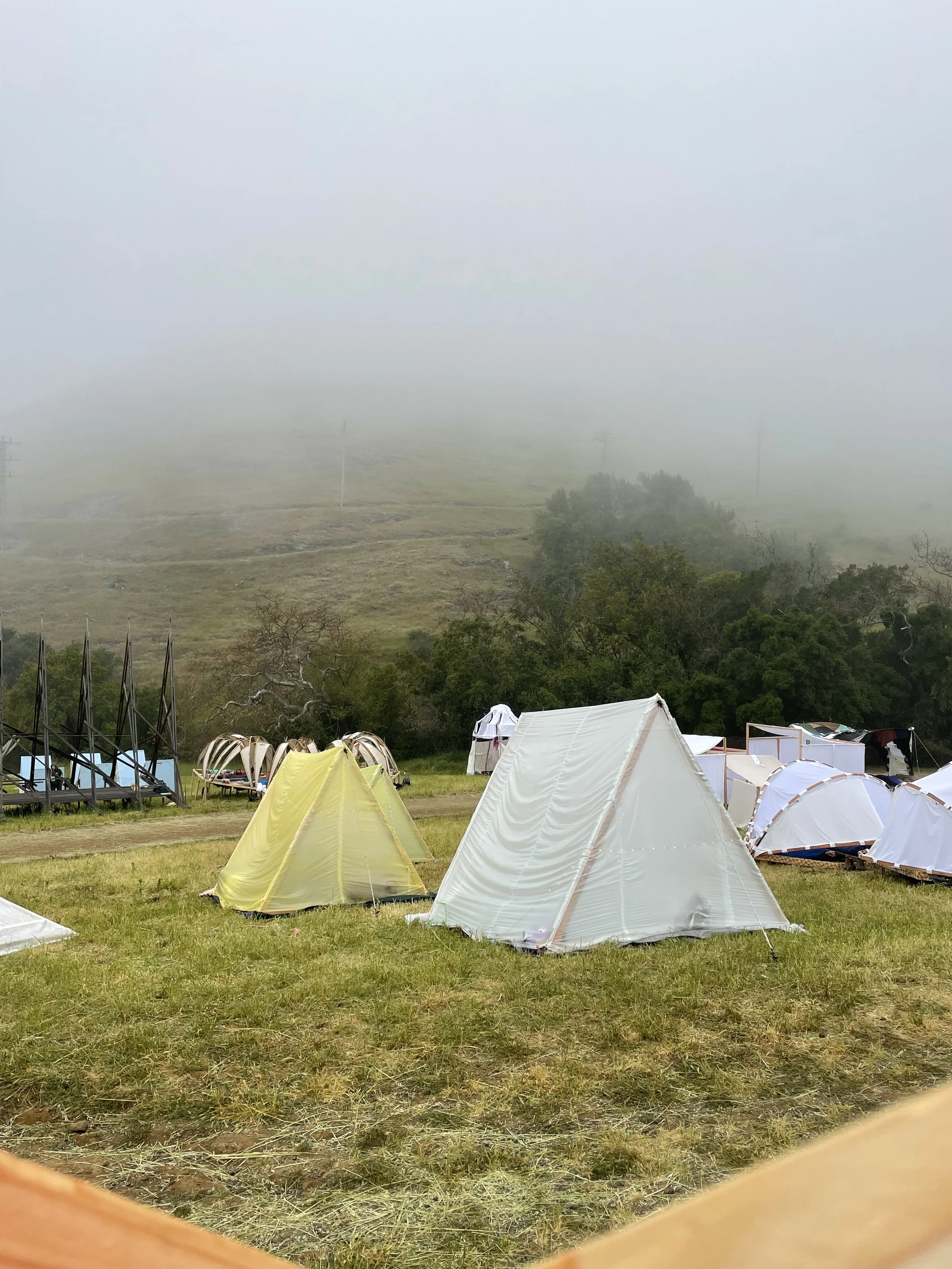
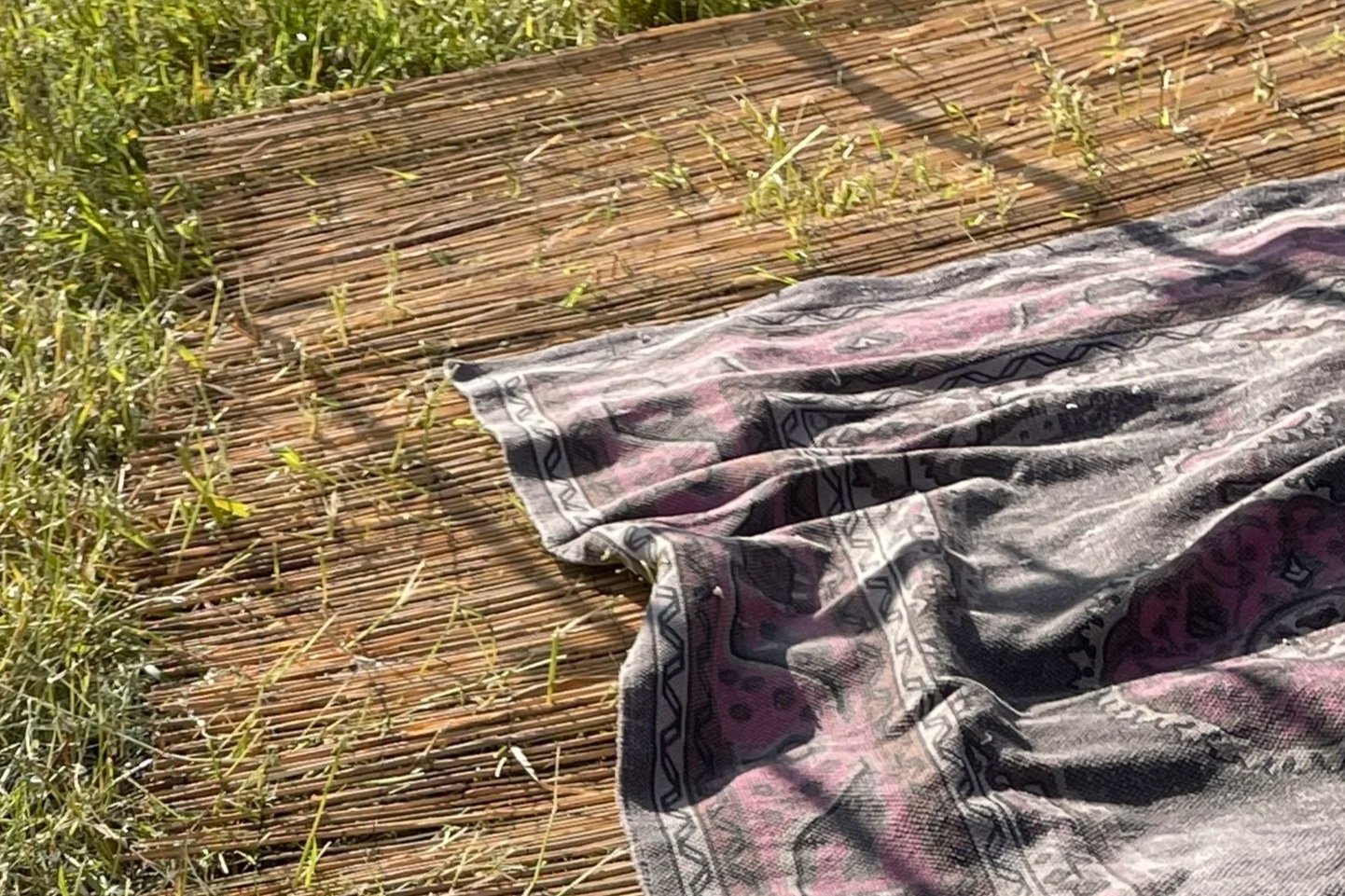
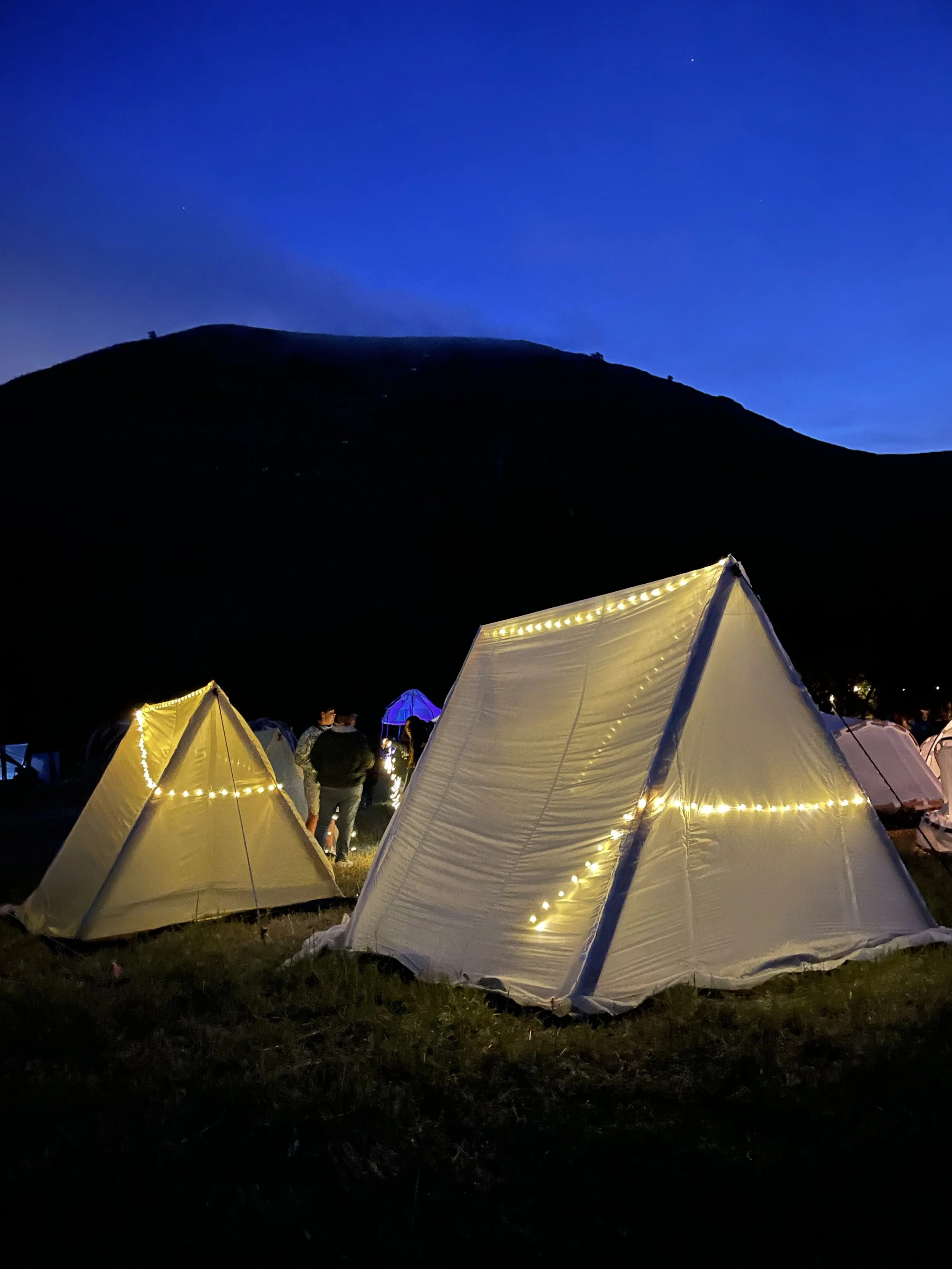
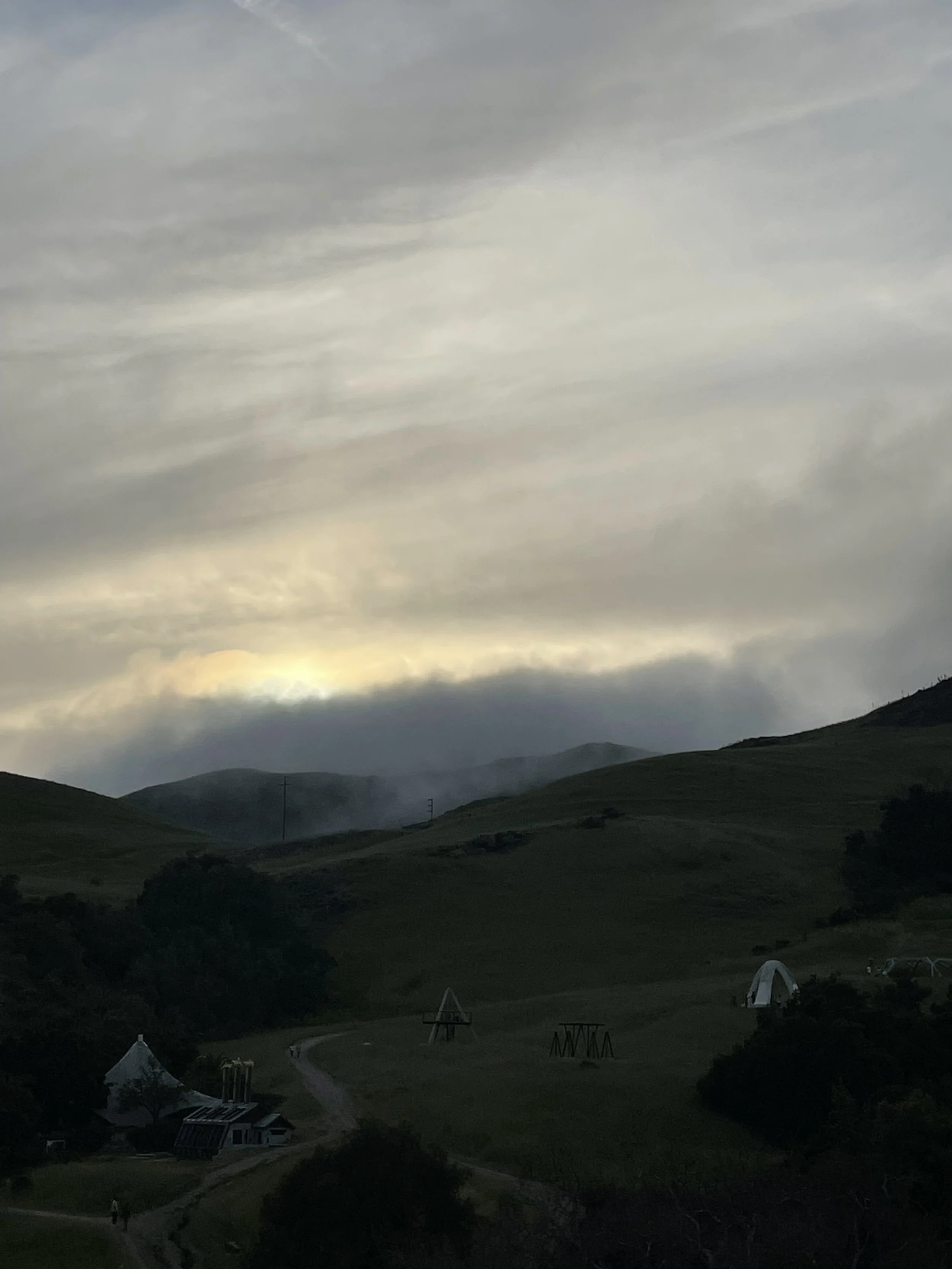
The spatial quality of it is also very interesting. The permeability afforded by the facade panels allowed for different ambiances within the space through various times of the day. Shadows were cast inside during the afternoons, lighting fixtures made the structure glow to the outside during evenings, and the moon lit the openings in between the facade panels during late nights. And unknown to us prior, the sheer facade panels made for great fog catchers, so during the early mornings, the fog was captured by the panels allowing for water droplets to form on the fabric. It is biophilia in action. A structure in which all elements and members make sense and have a function, and also one that responds to the natural environment.
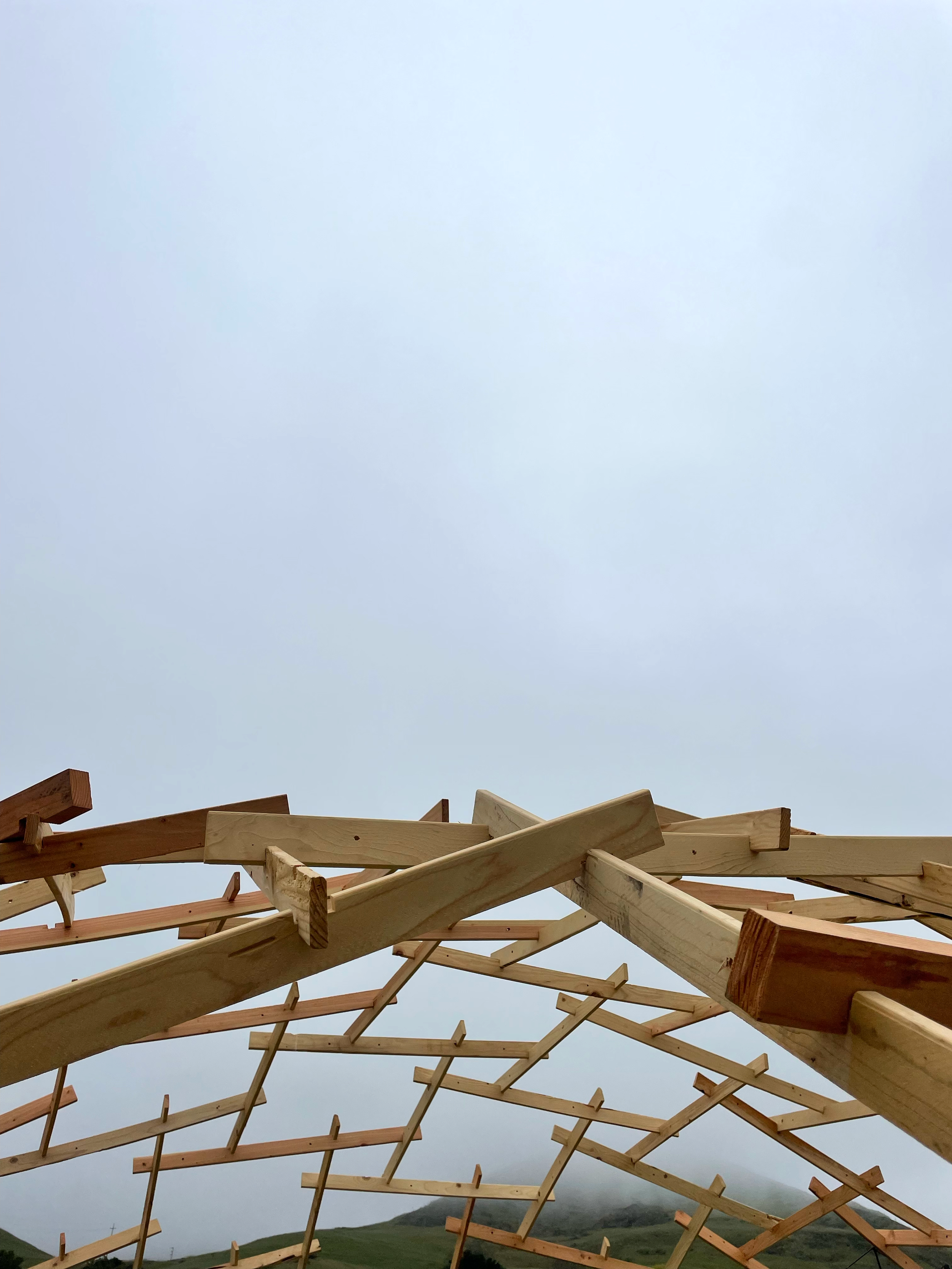
The swift set-up and take down of the reciprocal dome spurred the concept of a reciprocal frame in a real world application. A defining characteristic, the dome lacking fasteners, allowed for these rapid transitions. Immediately upon finishing Design Village, I was eager to see where the reciprocal frame could be used in approaching an emergency shelter.